Ever wondered why Malta's wrecks are in such good nick? It's not luck. Behind every intact deep wreck around these islands there's a system of protection, permits and — as of recently — a UN-endorsed science project. Here's how it all works, and why it matters to you as a diver.
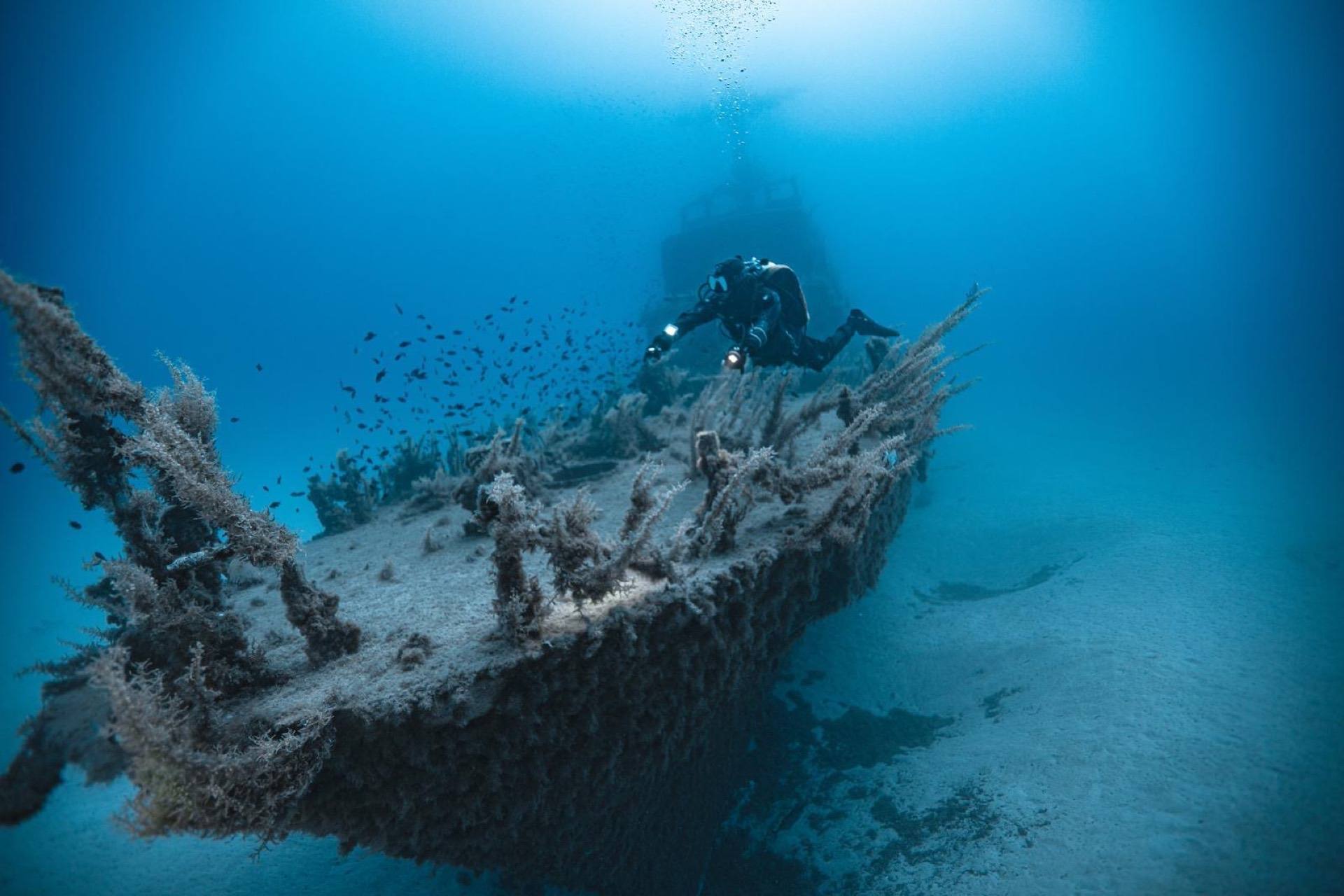
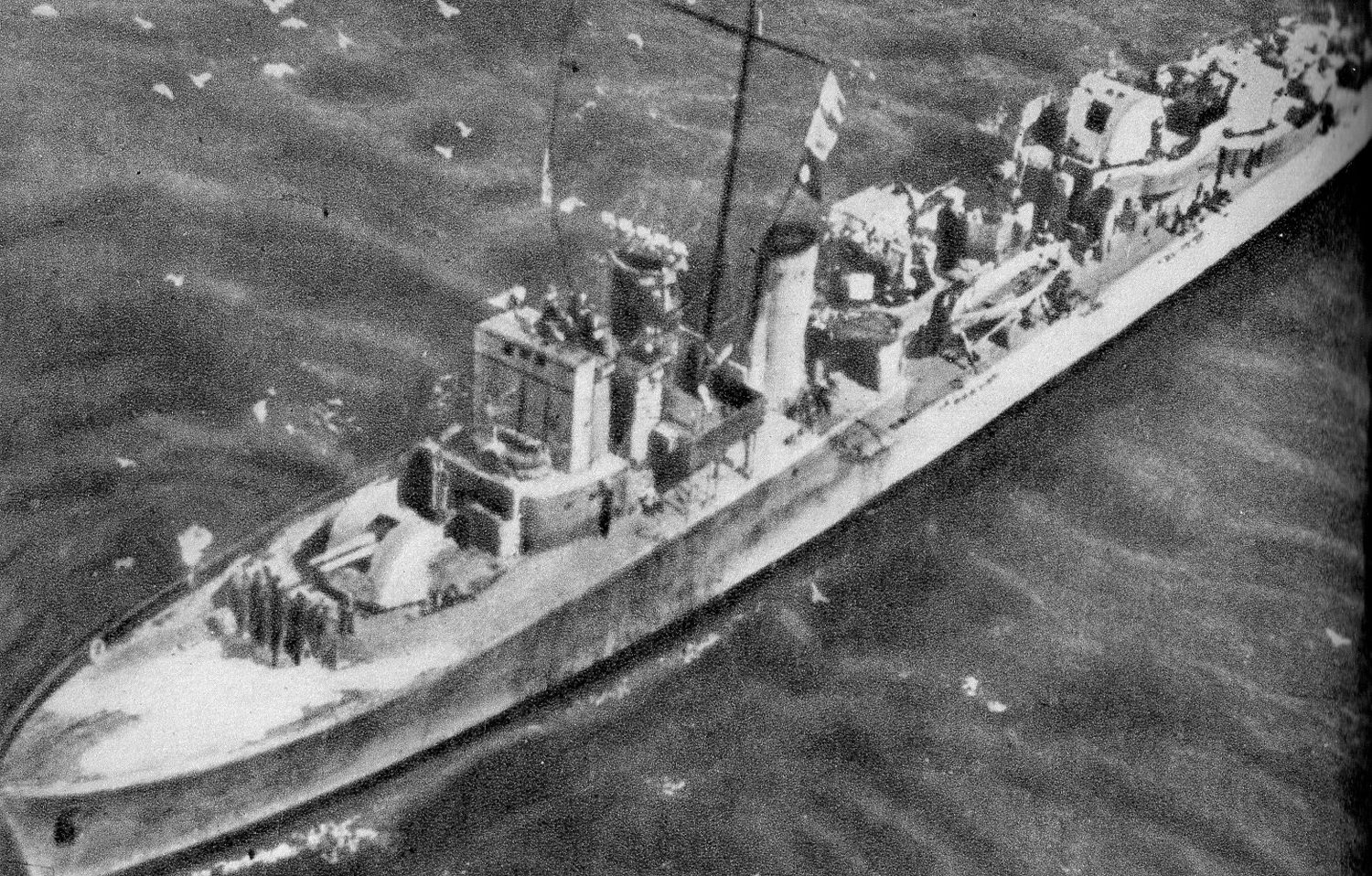
People come to Malta for the wrecks. It's the reason I'm here too. But there's a side to the story most visiting divers never hear: these wrecks are looked after, deliberately and carefully, by people who take them very seriously. And the results speak for themselves — dive ORP Kujawiak at 100m and she's so complete you half expect the crew back any minute.
Meet the wreck guardians
The historic wrecks around Malta sit under the care of Heritage Malta's Underwater Cultural Heritage Unit — a dedicated team of maritime archaeologists whose whole job is finding, recording and protecting what lies on our seabed. When a significant wreck is discovered in Maltese waters, it's this unit that surveys it, documents it, and decides how divers can access it responsibly.
And they don't keep it to themselves either. Their virtual museum at underwatermalta.org lets anyone — diver or not — explore Malta's deep wrecks through high-resolution 3D models and 360° imagery. Sites that only a handful of trimix divers will ever visit in person are open to everyone's grandmother on a tablet. I think that's genuinely brilliant.
The UN just gave Malta a nod
The newest chapter: Heritage Malta's WreckLife project has been officially endorsed by the United Nations Ocean Decade programme. In partnership with the University of Malta, WreckLife studies our wrecks as what scientists call "ecological islands" — because that's exactly what a wreck becomes down there. Every hull turns into a reef: sediment builds, life colonises, entire little ecosystems form around the steel.
The project combines archaeology with marine biology — sediment sampling, temperature mapping, light measurements — to understand how the wrecks are degrading over time and how best to preserve them. In plain diver terms: they're working out how to keep our wrecks divable for the next fifty years, and the UN thinks it matters enough to put their name on it.
Protected doesn't mean off-limits
Recreational wrecks — Um El Faroud, P29, Rozi — dive them freely, any certified diver, any day.
Historic deep wrecks — Kujawiak, Southwold, Olympus, Russell — dived through a permit system, with a licensed boat and operator.
War graves — treated with respect, always. Look, don't touch, take nothing but photographs and leave nothing but bubbles.
Why the permit system is a good thing
I'll be honest — permits and paperwork aren't anyone's favourite part of diving. But here's the thing: the reason ORP Kujawiak still has her guns, her torpedo tubes and her story intact is precisely because access is managed. She was only found in 2014, and she opened to permitted divers in 2019 under Heritage Malta's system. Compare that with famous wrecks elsewhere in the world that have been stripped bare by souvenir hunters within a few years of discovery, and the value of doing it properly becomes obvious.
Several of these wrecks are also war graves. Thirteen Polish sailors were lost on the Kujawiak. Royal Navy submariners still lie with HMS Urge and HMS Olympus. When we dive these sites we're visiting, not exploring — and every technical diver I've ever taken to one has understood that instinctively. There's a stillness on a war grave that you don't get anywhere else, and it changes how you dive.
Closer to the surface, protection is growing too — the Ċirkewwa area, home of the P29 and Rozi, is now a Marine Protected Area with boat access restricted. More life on the wrecks, safer diving for everyone doing their deco under a surface full of traffic. No complaints from me.
What this means for your diving
If you want to dive Malta's protected historic wrecks, you need three things: the certification for the depth, a licensed operator with the permits sorted, and a proper plan. That's precisely what I do — operating from Dive Systems with a boat licensed for the historic wrecks. If you're at Trimix level or beyond, the deep wrecks are open to you. If you're not there yet, that's exactly what training is for — and honestly, these wrecks are the best reason I know to do it.
Read up on the full collection in my guide to Malta's best technical wrecks — every one of them researched and written up with its full history.
Want to dive Malta's protected wrecks — or train up to the level where you can? Tell me where you are and where you want to get to.
Plan Your Wreck Diving