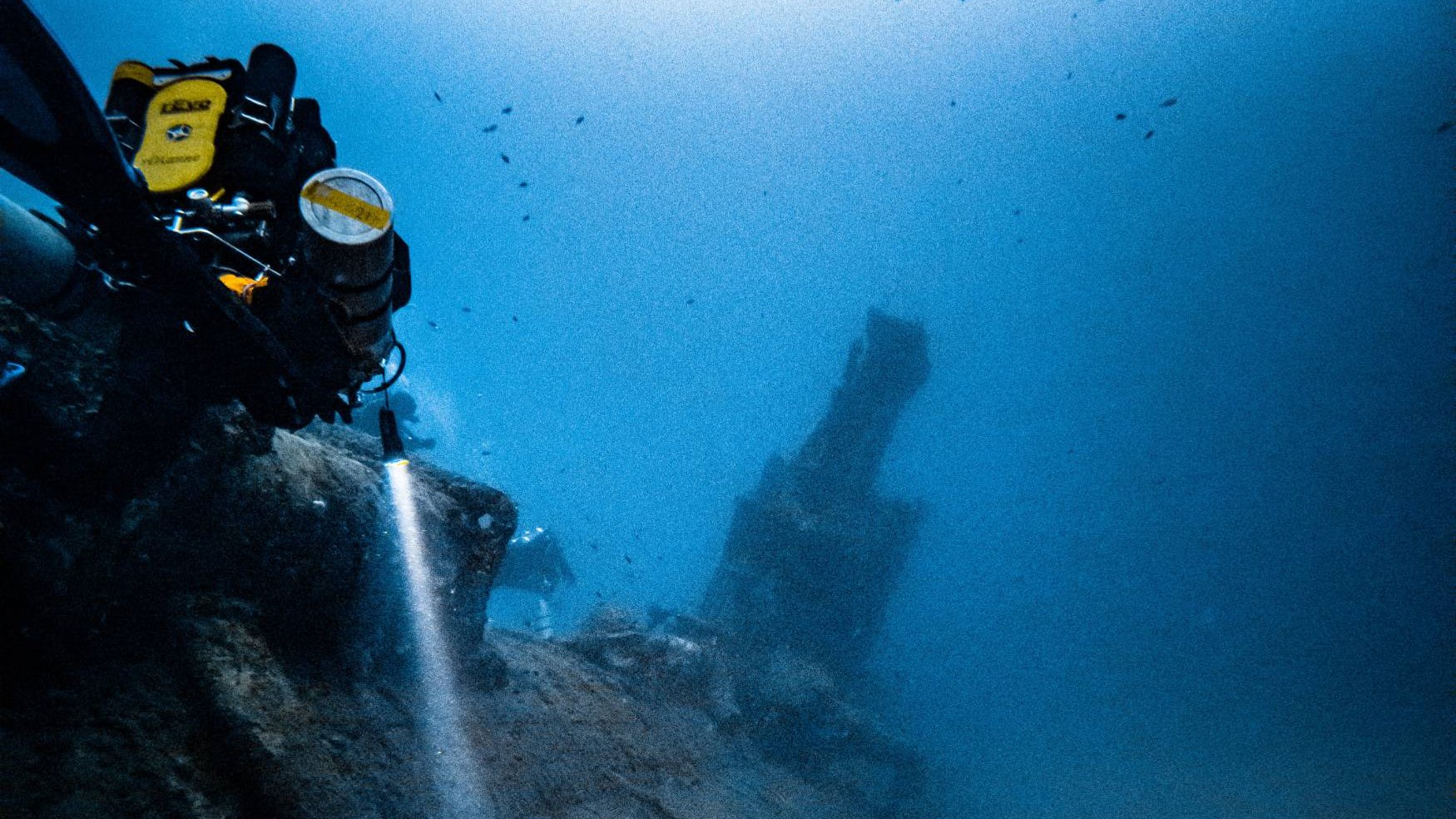
Team Barracuda flew in from Belgium for a normoxic week with Dive Systems, and the conditions were perfect from the first day to the last. Five wrecks, a Beaufighter, dive times of up to three hours, and my XCCR flawless all week. Here's how it went.
A week with Team Barracuda
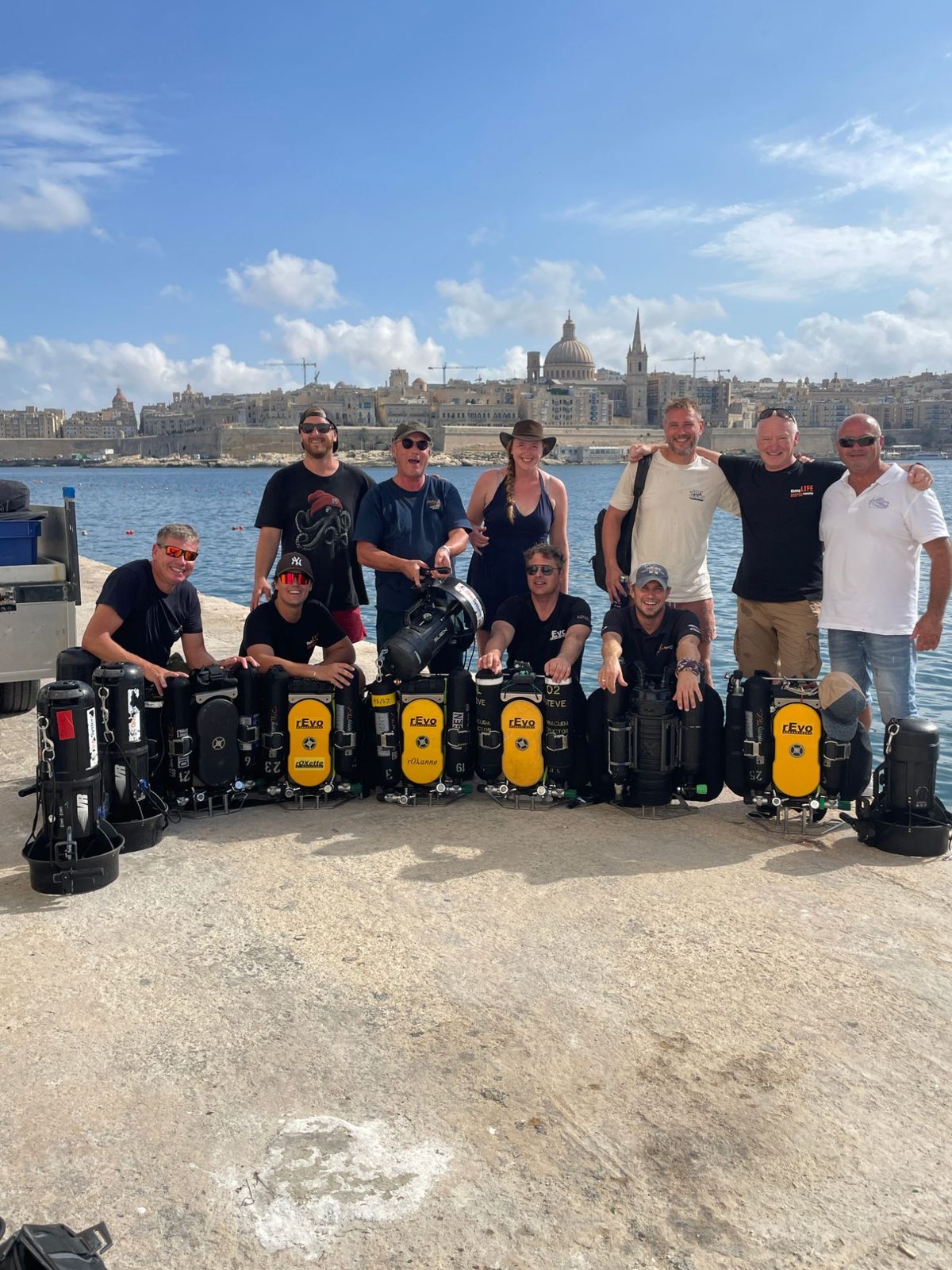
Team Barracuda came over from Belgium for a normoxic week at Dive Systems, and Malta gave them the best of it. The conditions were perfect all week, which is exactly what you want when the dives are as long as these were. Nothing to work around, just deep wrecks and plenty of time on them.
It was a great group to spend a week with. The whole team had a brilliant time, and with conditions like that there was never much chance of it being anything else.
How the week ran
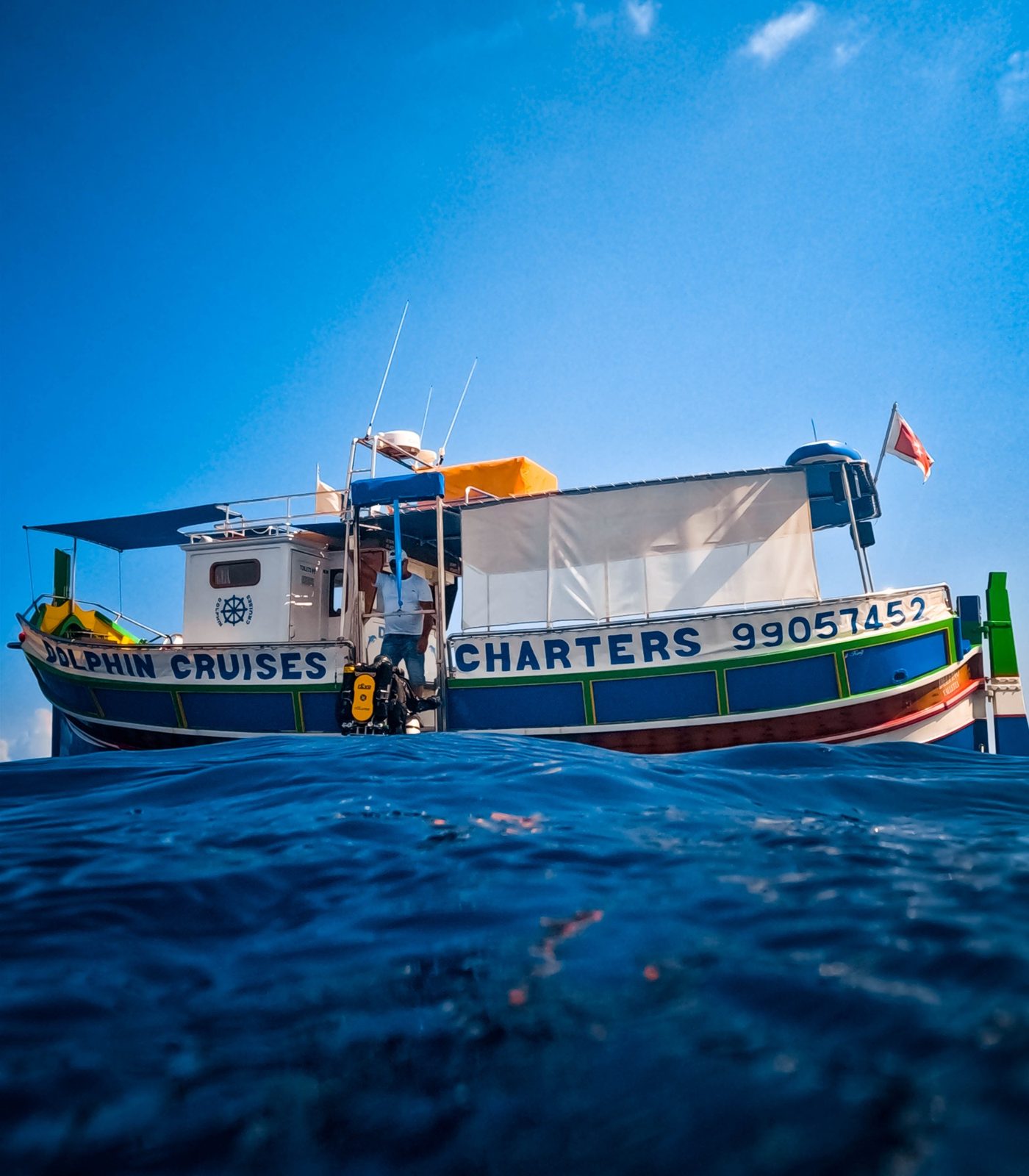
Jason, our captain, looked after us all week, and every shot he put in was a perfect one. That's a big part of why the week ran as smoothly as it did.
My job was simple. I was the first diver in the water, there to make sure the shot was sitting safely on the wreck, and then I buddied up with Paul, my team mate for the week, for the dive itself.
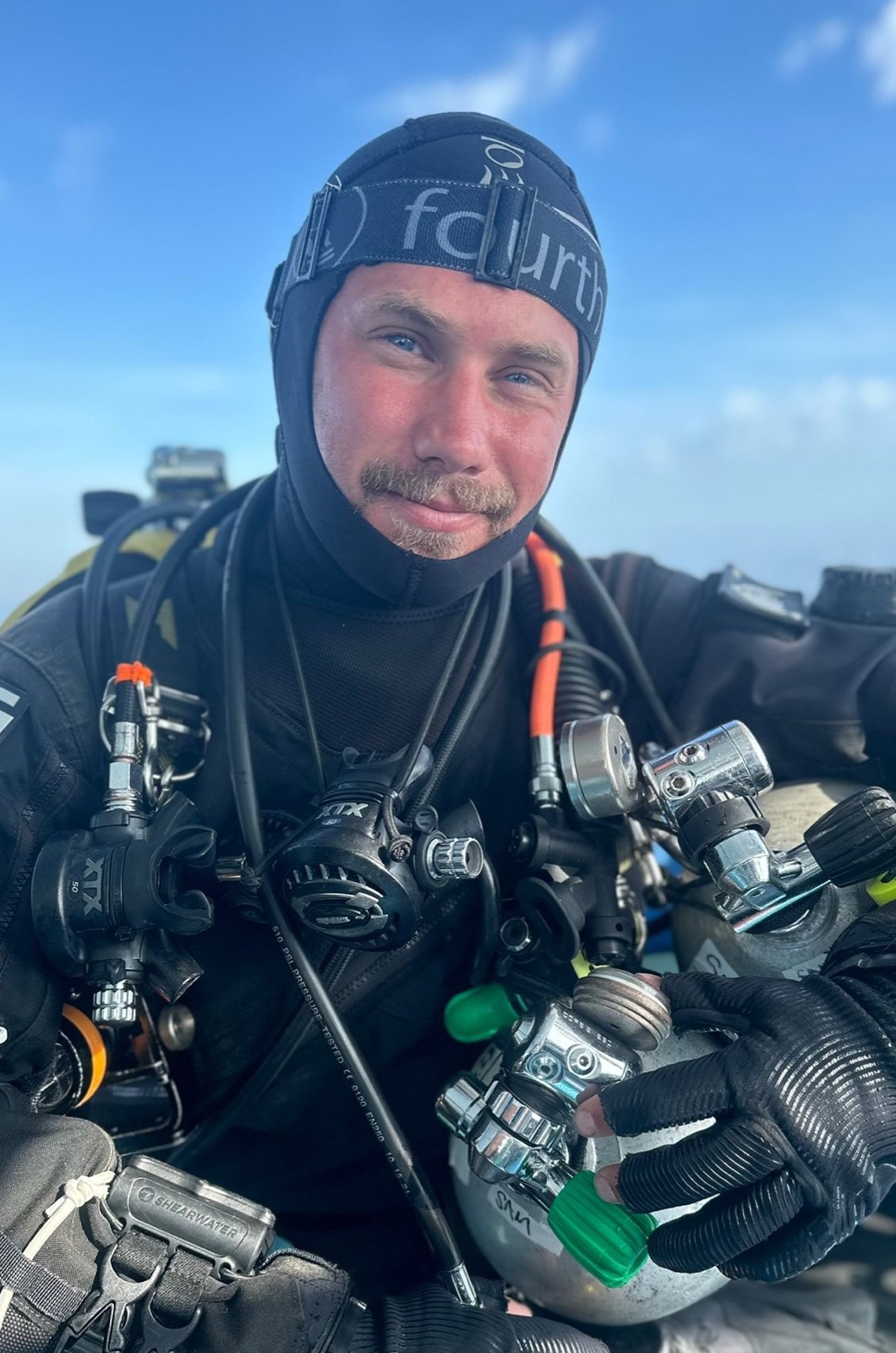
I dived my XCCR all week, and it was flawless to dive, as it always is. When the run times are this long, that's exactly what you want from a rebreather.
The shot check is how Dive Systems always runs it. A member of staff goes in ahead of the guests to check the shot is exactly where it should be, so that everyone else drops straight onto the wreck instead of hunting for it. When the dive is going to be 150 or 180 minutes long, a perfect start is worth the extra effort.
Five wrecks and a Beaufighter
Here's what we dived, and for how long. The depths are the wrecks' own, as on their dive-site pages.
The dives
HMS Stubborn — 150 minutes · wreck at 57m
Le Polynesien — 180 minutes · wreck at 50–65m
HMS Southwold, stern — 180 minutes · wreck at about 75m
HMS Nasturtium — 150 minutes · wreck at 67–68m
HMS Hellespont — 90 minutes · wreck at 35–45m
Bristol Beaufighter — half an hour for the group photo · wreck at about 38m
The long wrecks
HMS Stubborn got 150 minutes, on a submarine with a better story than most. She was launched in 1942, survived a savage depth-charging off Norway in 1944 that took her to around 500ft, well beyond her crush depth, and was finally expended as an ASDIC target off Malta on 30 April 1946. She sits upright at about 57m, around 3km north-east of St Paul's Bay.
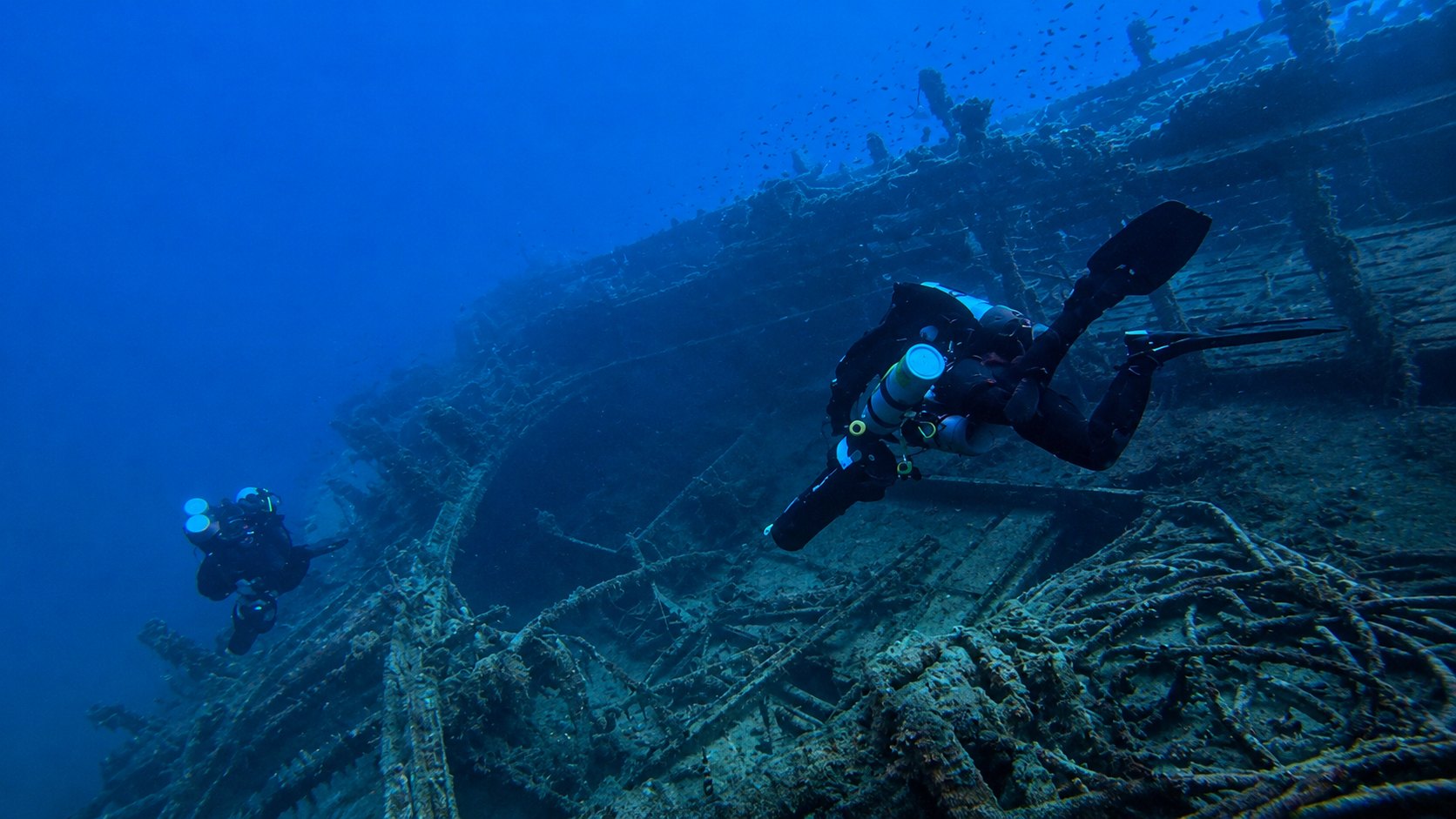
Le Polynesien got 180. She was a French ocean liner launched in 1890 and pressed into service as a troopship in the First World War. The German submarine UC-22 torpedoed her off Malta on 10 August 1918 and she sank in about half an hour. She lies on her port side between 50 and 65m, with the bow gun and anchor, the torpedo-shattered midships and an intact stern all there to explore. There's a lot of ship to see.
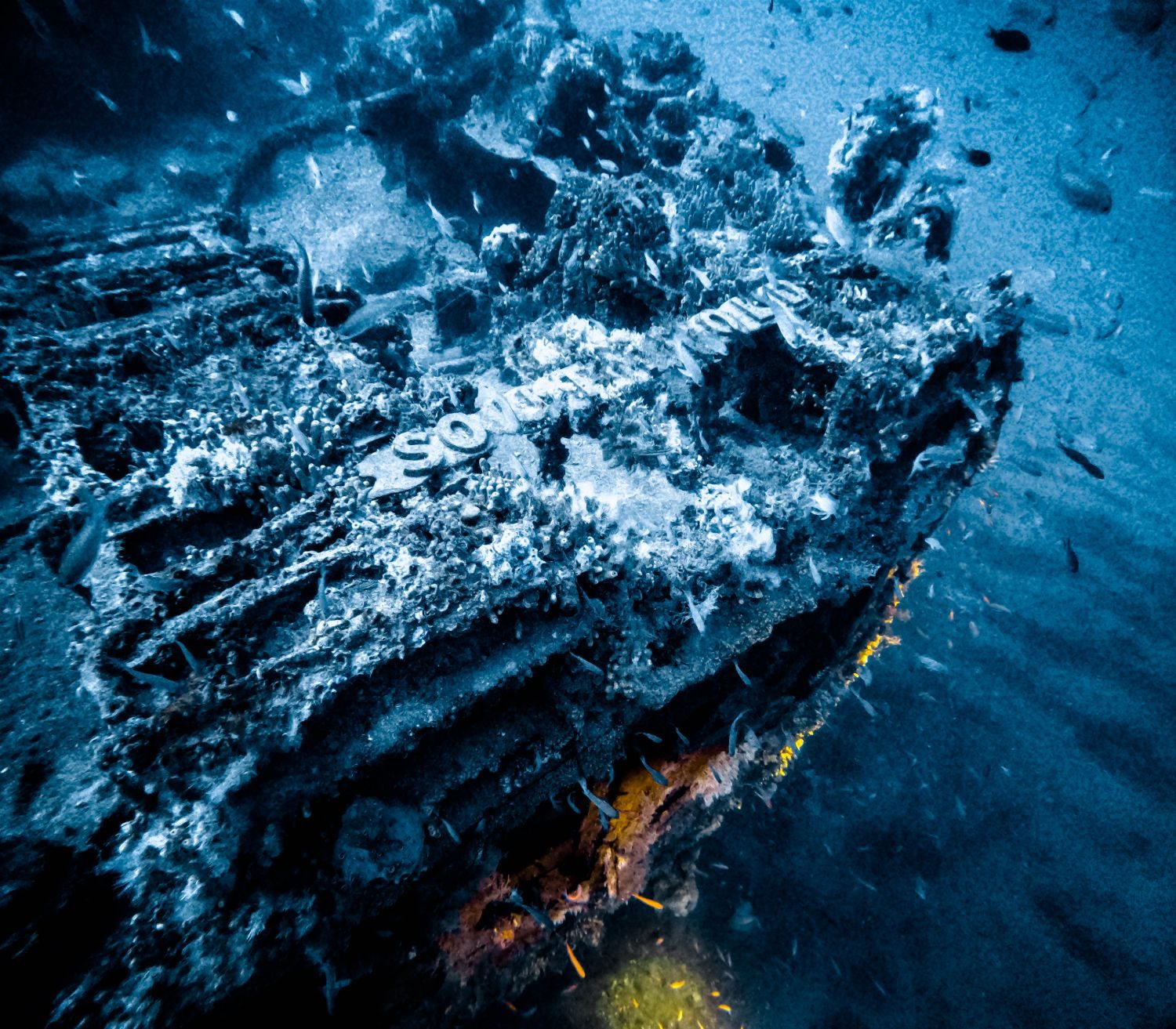
Another 180 minutes went on the stern of HMS Southwold. The Hunt-class destroyer was mined on 24 March 1942 while escorting the Malta convoys and broke in two. The stern sits upright at around 75m, some 300m from the bow section, with its guns and fittings still in place. Under all the growth, her name is still there in raised letters.
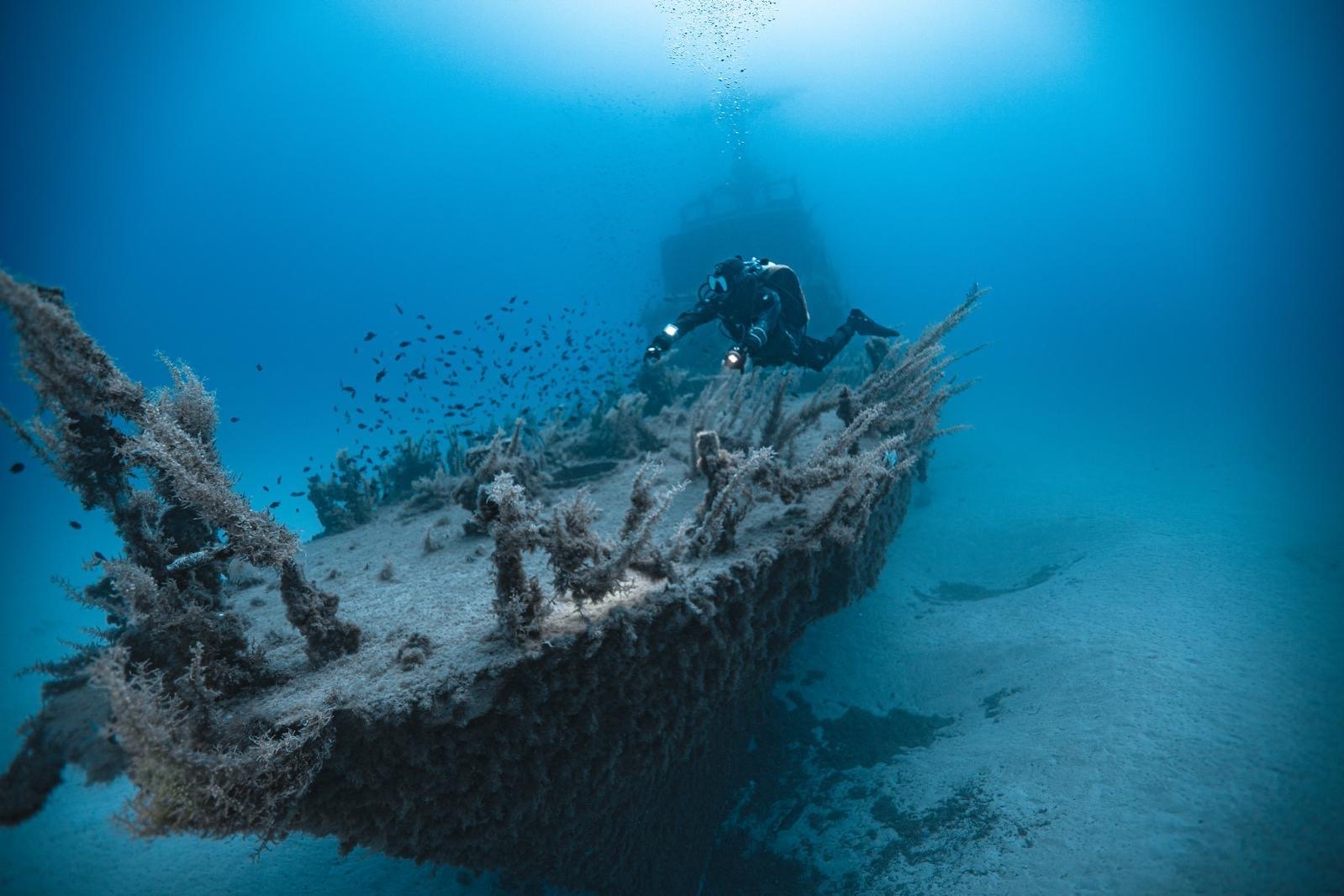
HMS Nasturtium got 150 minutes. She was a Flower-class corvette lost to a mine off Malta in 1941, and she lies at about 68m, largely intact and rarely visited. That's a big part of the appeal.
A shorter one, and a group photo
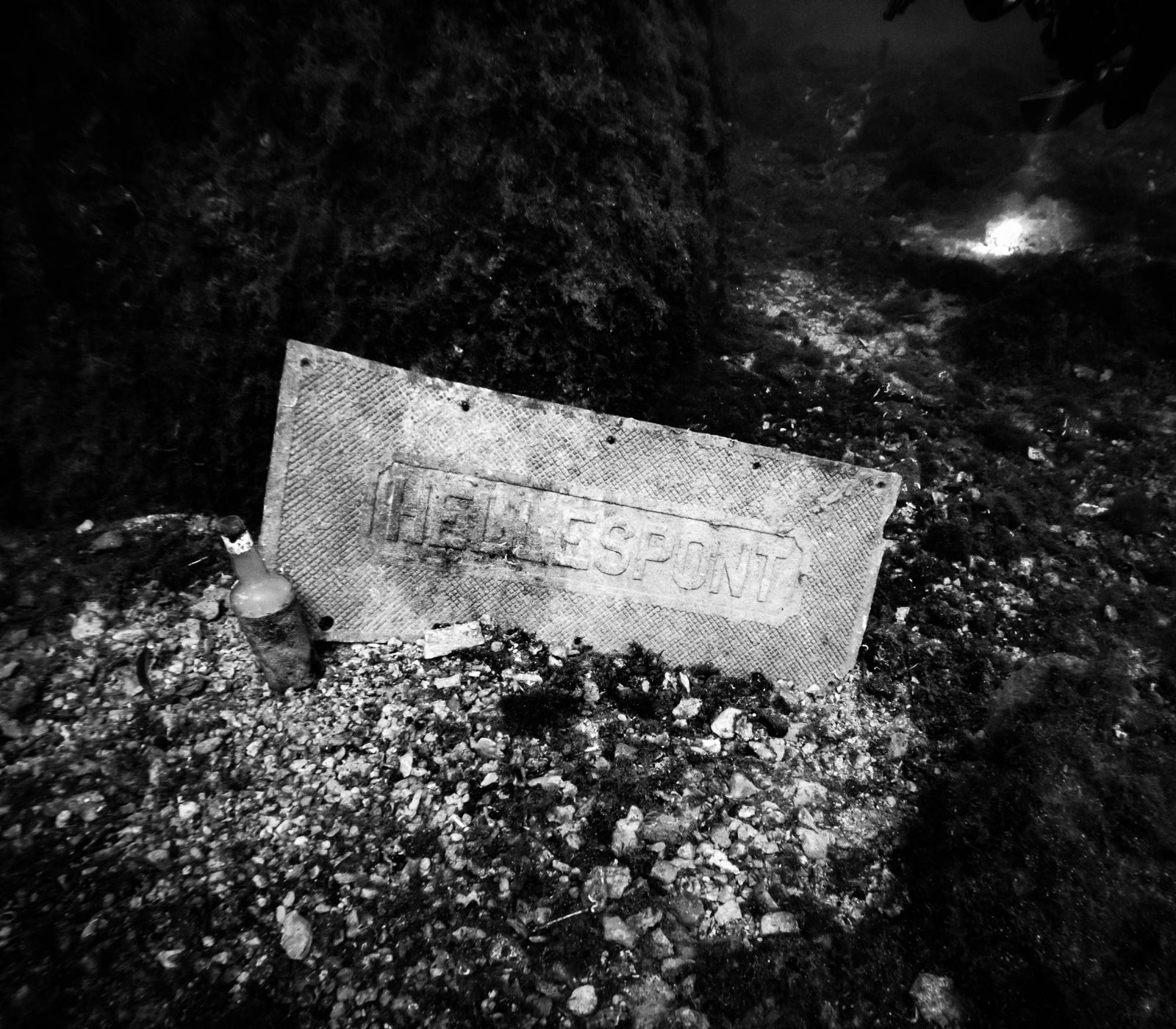
At 90 minutes, HMS Hellespont was the shortest dive of the week. She was a steam paddle tug, sunk in Grand Harbour during the air raid of 6–7 April 1942, refloated after the war and scuttled off Rinella. She sits upright between 35 and 45m, missing about 15m of her bow, and her nameplate is still down there.
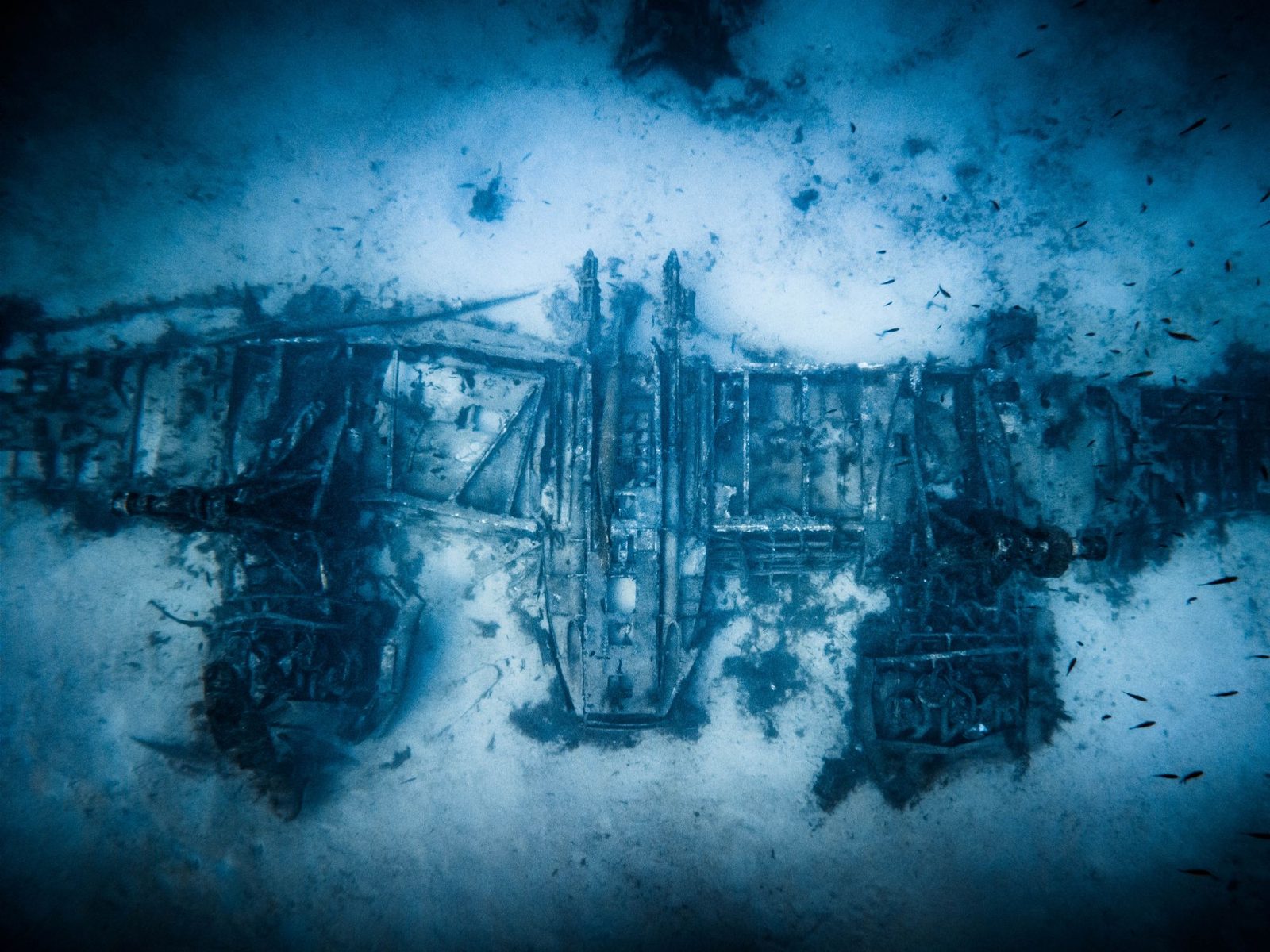
We also dropped onto the Bristol Beaufighter for half an hour and a group photo. The RAF heavy fighter ditched on 17 March 1943 just after take-off, and both crew survived. She now lies inverted on the sand at about 38m off St Julian's, wings and engines still recognisable.
Long run times, with a support team
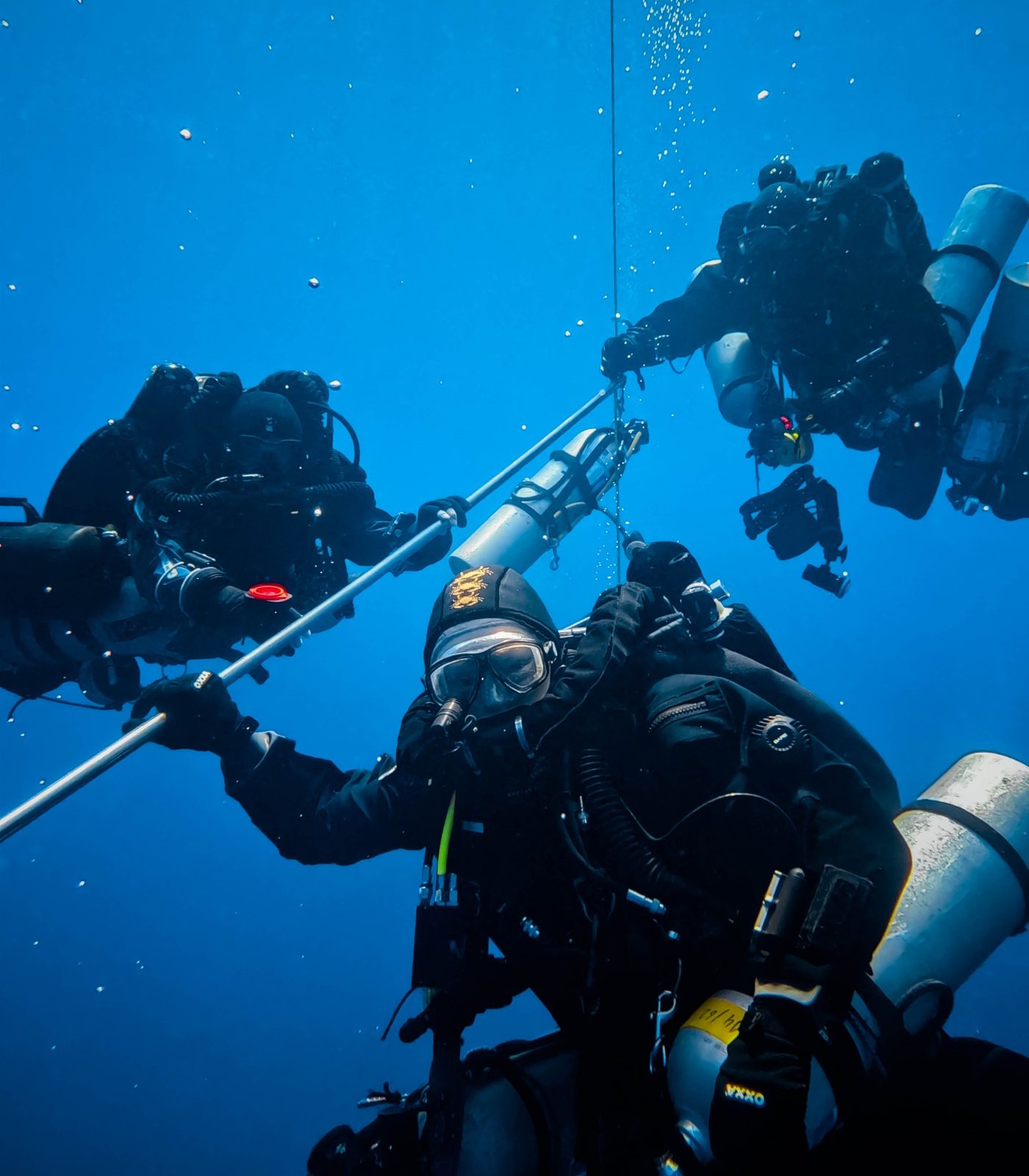
Long run times are what we love doing, and always have. Dives of 150 and 180 minutes only work when everything around them is right, so we always have a support team on hand to make sure the dives run smoothly: the shot checked before anyone drops, a captain who knows exactly where to put it, and a team on hand throughout.
It's how Dive Systems runs technical diving in Malta, and it's why a three-hour dive can look as relaxed as it does in Arthur's photos. A lot of that time is spent on the deco bar, which is where he caught the team.
More from Arthur's camera
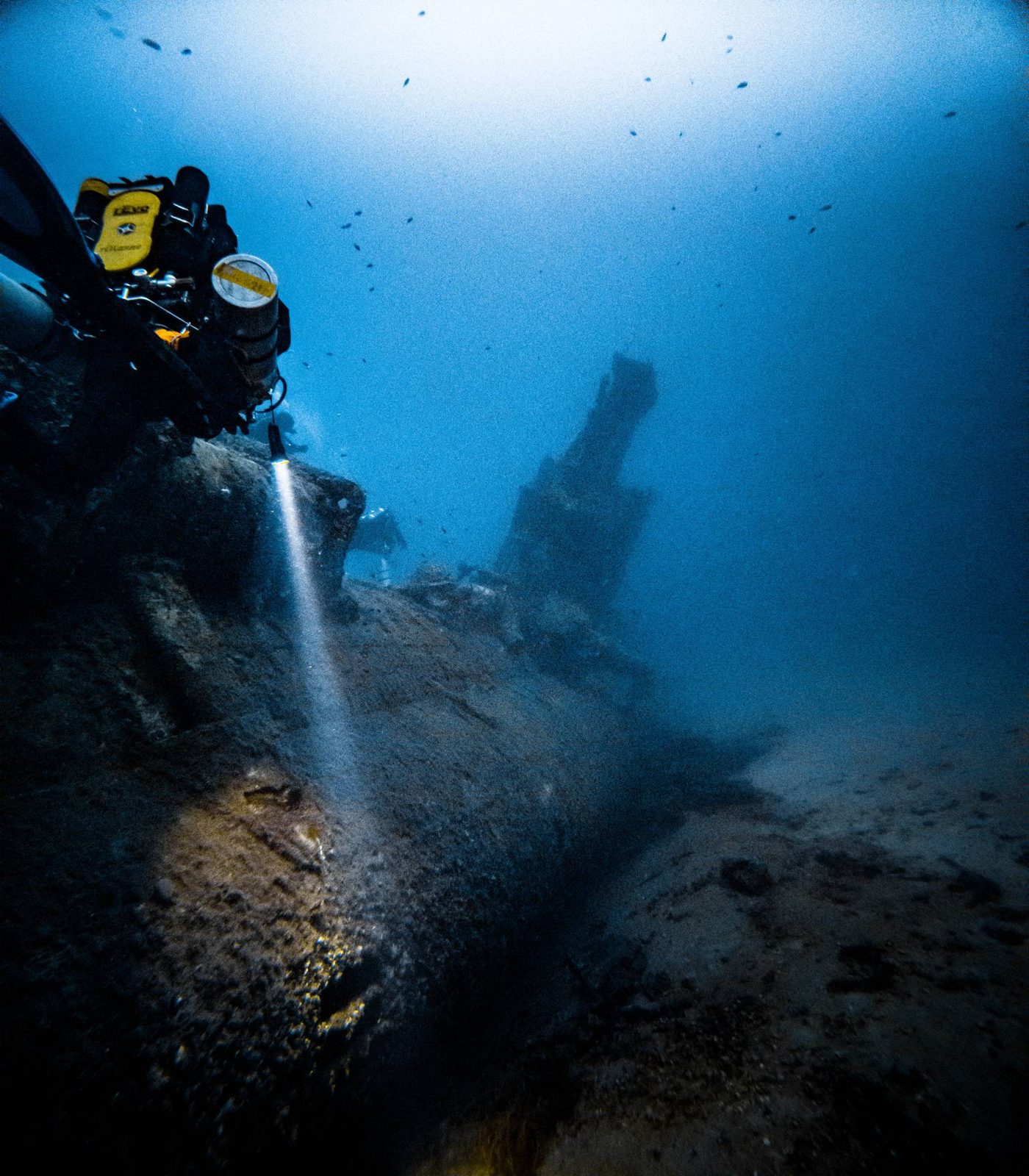
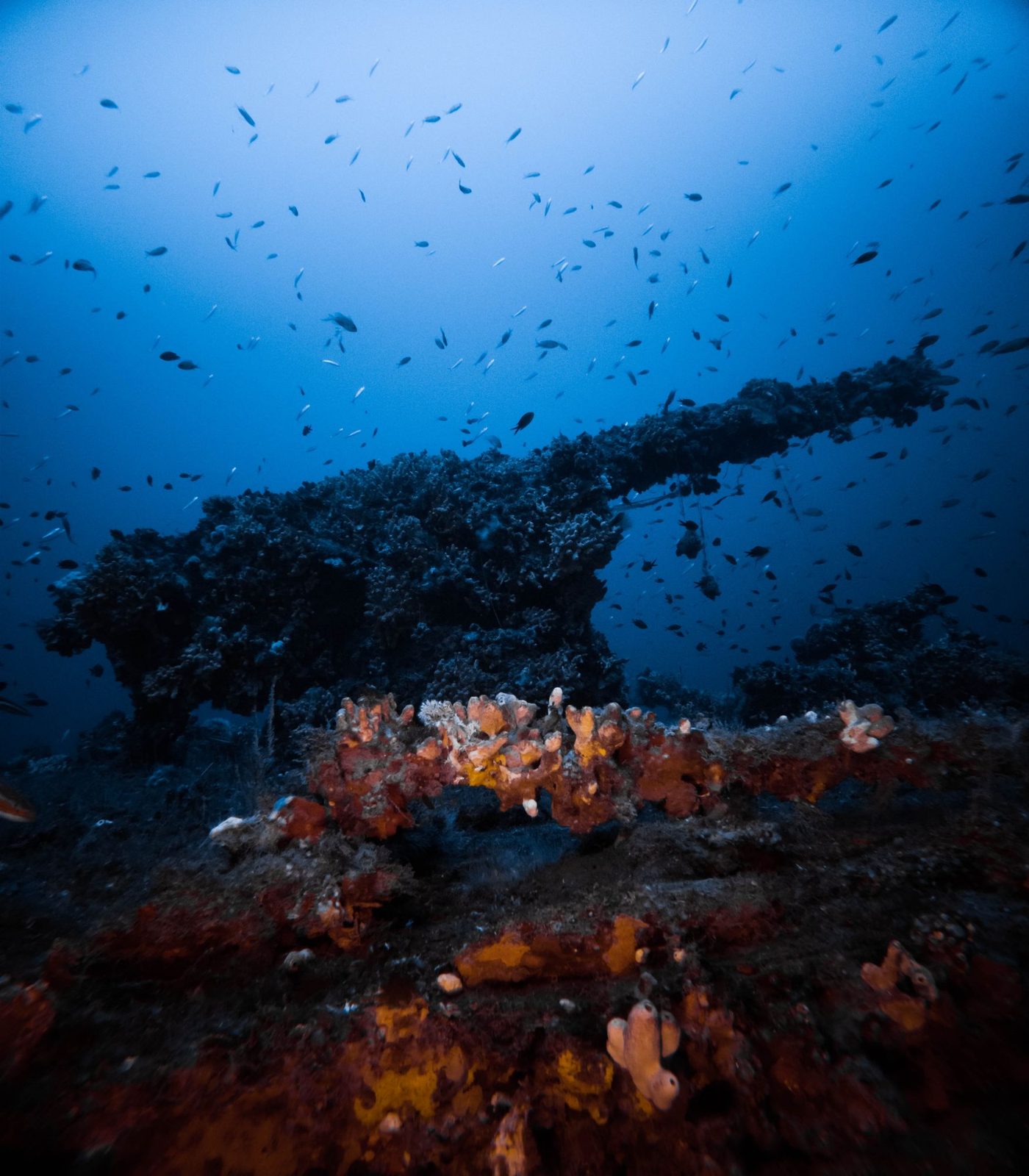
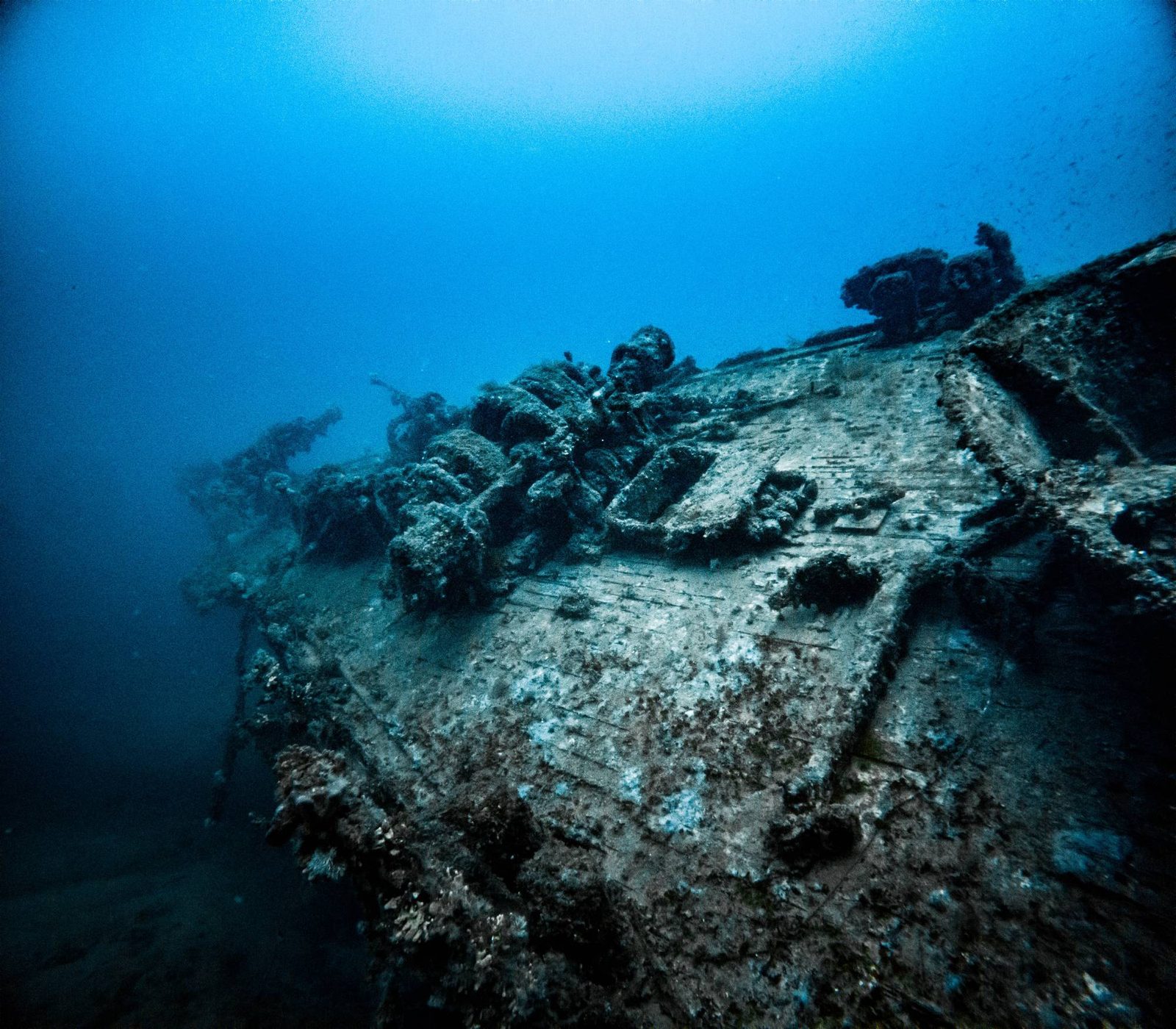
Arthur shot far more than I can fit into one post, so here are a few more from the wrecks.
Plan your own normoxic or hypoxic week
If you'd like to plan a normoxic or hypoxic week of your own, have a look at the Malta Deep Wreck Week and get in touch. Tell me your certification level and whether you dive open circuit or CCR, and I'll plan the week around the wrecks you want to dive and the run times you want to do, with Dive Systems and the support team behind us.
If you're not trimix qualified yet, the Trimix Diver course is where it starts, and Advanced Trimix is the route into hypoxic mixes and the deepest of Malta's wrecks. Not sure which wrecks fit your level? Start with the best dive sites in Malta or Trimix 60 & 75 in Malta.
Dive Systems is where I work full time, and where all of this happens: the boats, the technical courses and the team. Have a look at their technical diving and follow @divesystemsmalta on Instagram.
Thanks to Team Barracuda for coming over, to Jason for looking after us all week, to Paul for being my team mate, and to Arthur for the photography. Every photo in this post is his.
Planning a normoxic or hypoxic week in Malta? Tell me your certification level and the wrecks you'd like to dive, and I'll plan it with you, with the Dive Systems team behind us.
Plan Your Week