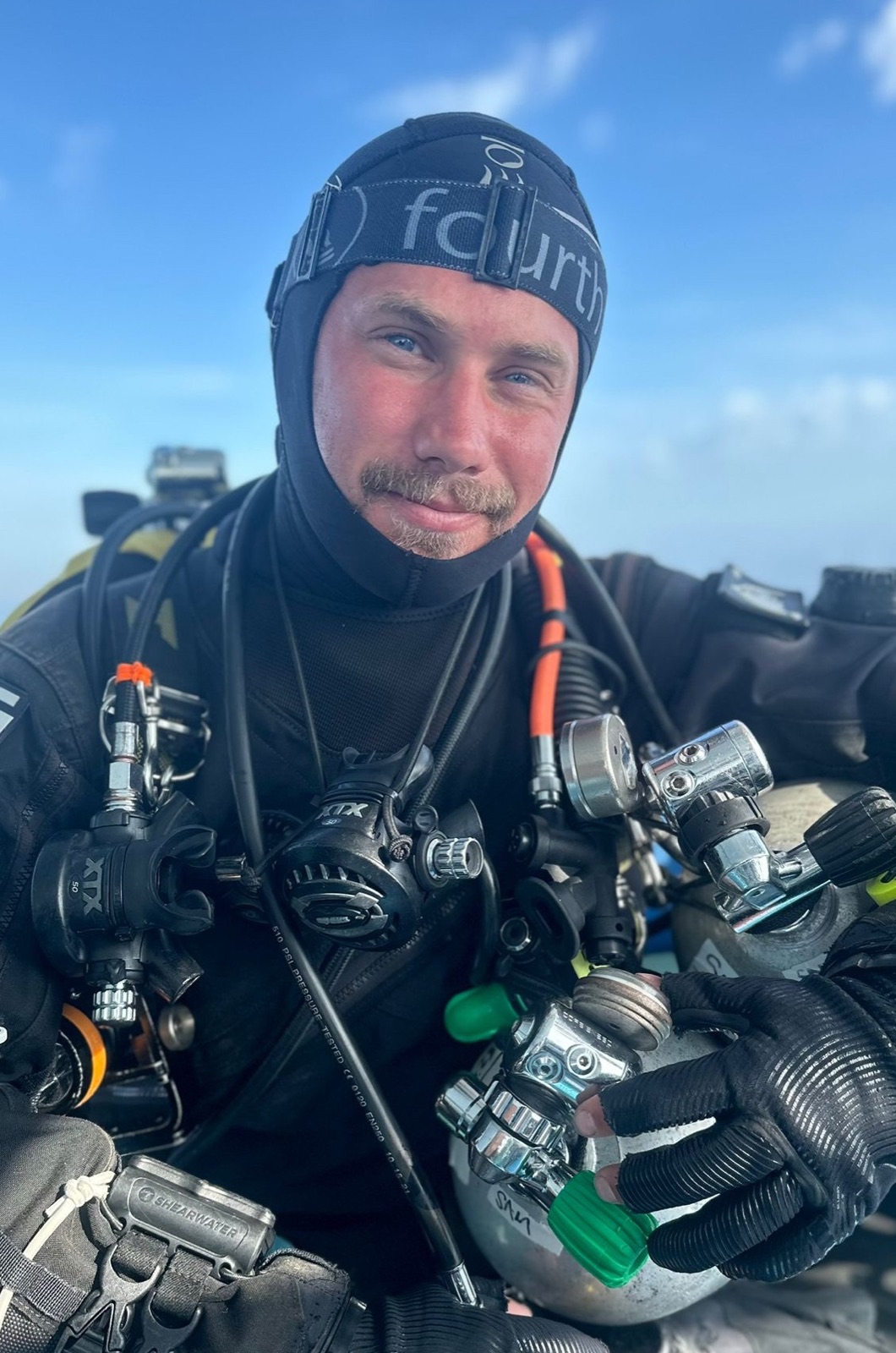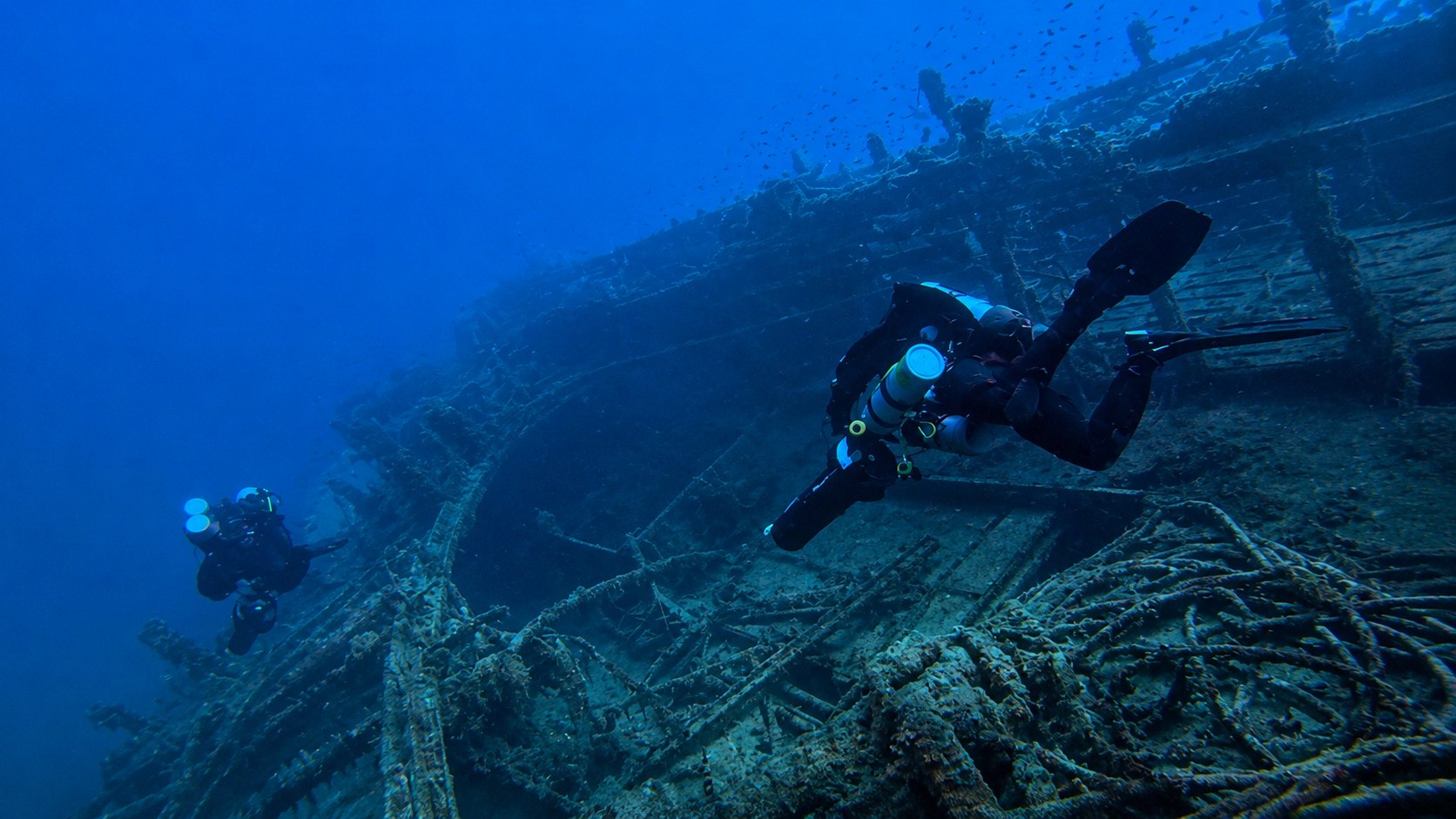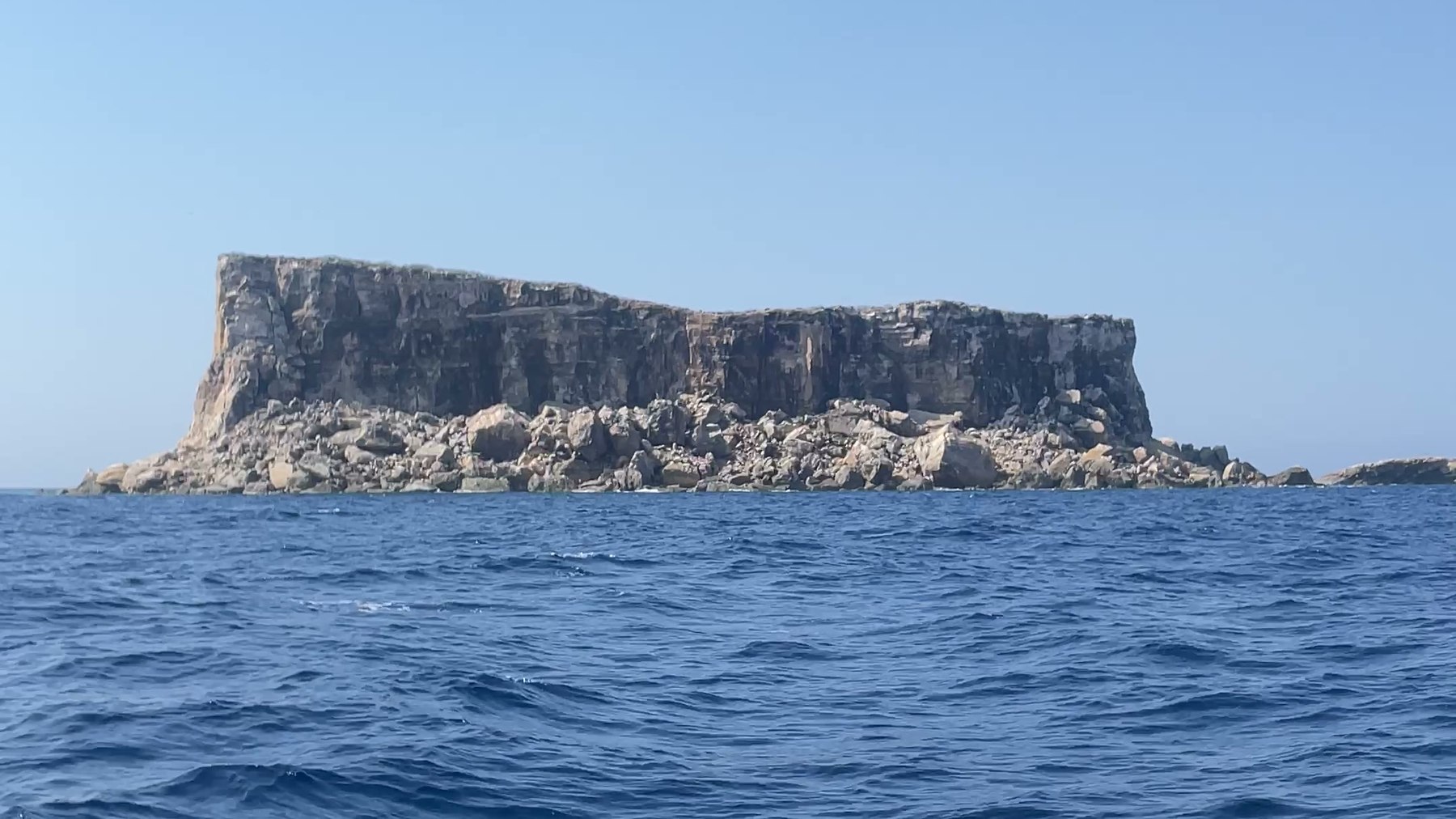
Filfla is a rock most divers in Malta will never get to visit. Not because it's hard to reach, but because it's only opened to divers on around three days a year. I dived it myself this year — here's what's actually down there, why access is so tightly controlled, and who to speak to if you want a shot at going yourself.
A rock you can't just book
Filfla sits about five kilometres off Malta's south coast — a small, uninhabited limestone islet with sixty-metre cliffs and nothing living on it that doesn't fly or crawl. What most people don't know is that it spent the best part of a century as a target range: the Royal Navy and RAF used it for live gunnery, bombing and rocket practice from the 1890s right through to 1971, pounding the cliffs with shells and ordnance for decades. Dive it today and that history hasn't fully gone away — old shells still turn up on the seabed around the island.
It's been a protected nature reserve since 1980, with the Filfla Natural Reserve Act in 1988 locking that protection in properly: no landing, no fishing nearby, and diving only under a permit issued by the authorities.
In practice, that permit gets granted on roughly three days a year. Not three weekends, not a window you can plan around — three specific days, confirmed with little notice. Dive Systems has secured the permit for all three occasions every year, so if Filfla is being dived in Malta, it's happening through them.
Why it's protected — and it's not for the diving
The reason Filfla is locked down has almost nothing to do with what's underwater. Above the surface, it holds the largest colony of European storm petrels in the Mediterranean — somewhere between 5,000 and 8,000 breeding pairs, roughly half the entire Mediterranean population, all packed onto one small rock. Cory's shearwaters and yellow-legged gulls nest there too. It's designated an Important Bird Area for exactly that reason.
None of that changes underwater, obviously — but it's the reason the whole island is treated so carefully, and why the permit exists at all. The diving is almost incidental to why Filfla is protected. We just happen to benefit from the same rules that keep the birds undisturbed.
What it's actually like underwater
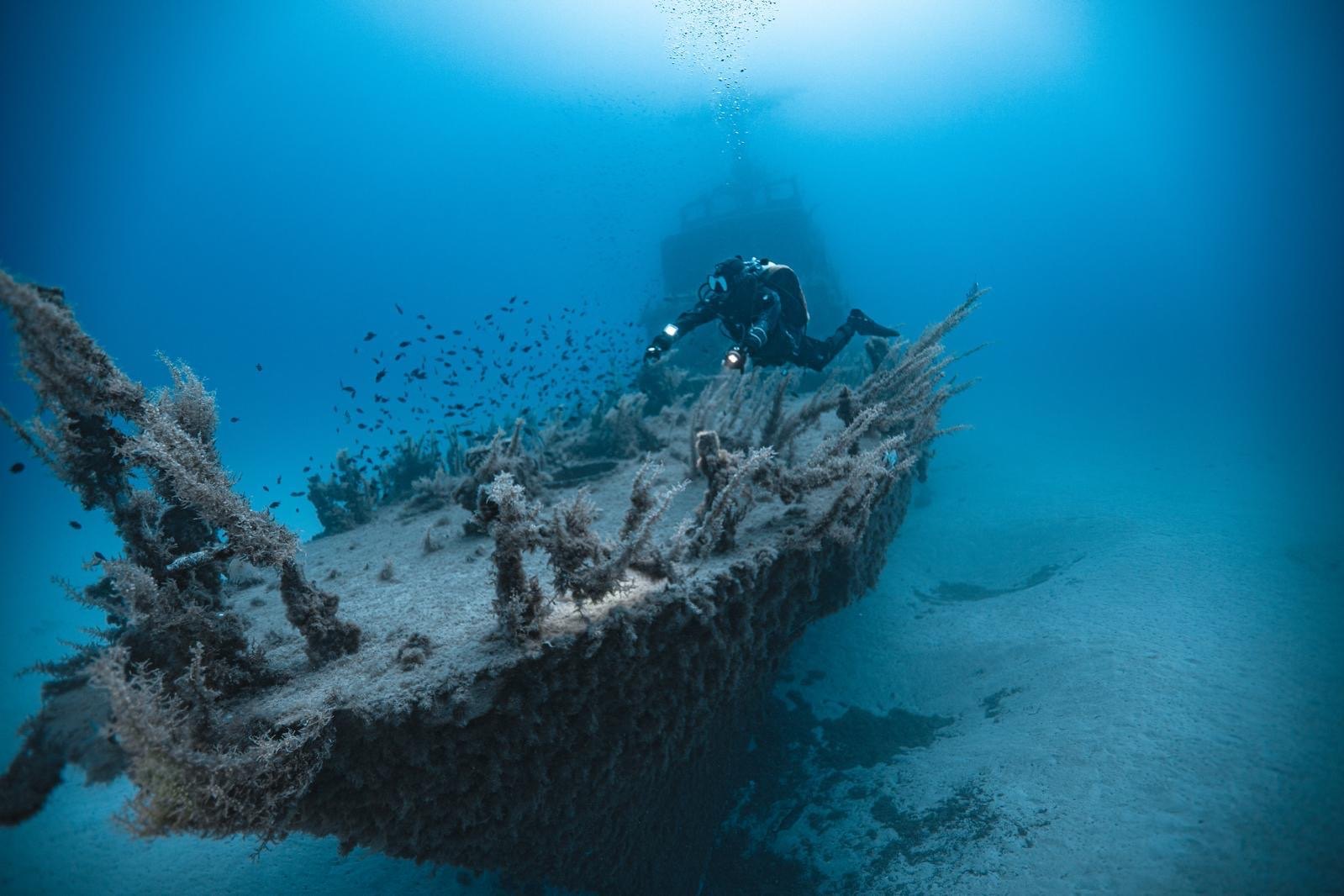
The visibility was the first thing that struck me. Filfla sits well offshore with none of the boat traffic or coastal runoff that affects the busier sites, and it shows the second you're in the water — some of the clearest diving I've had in Malta this year.
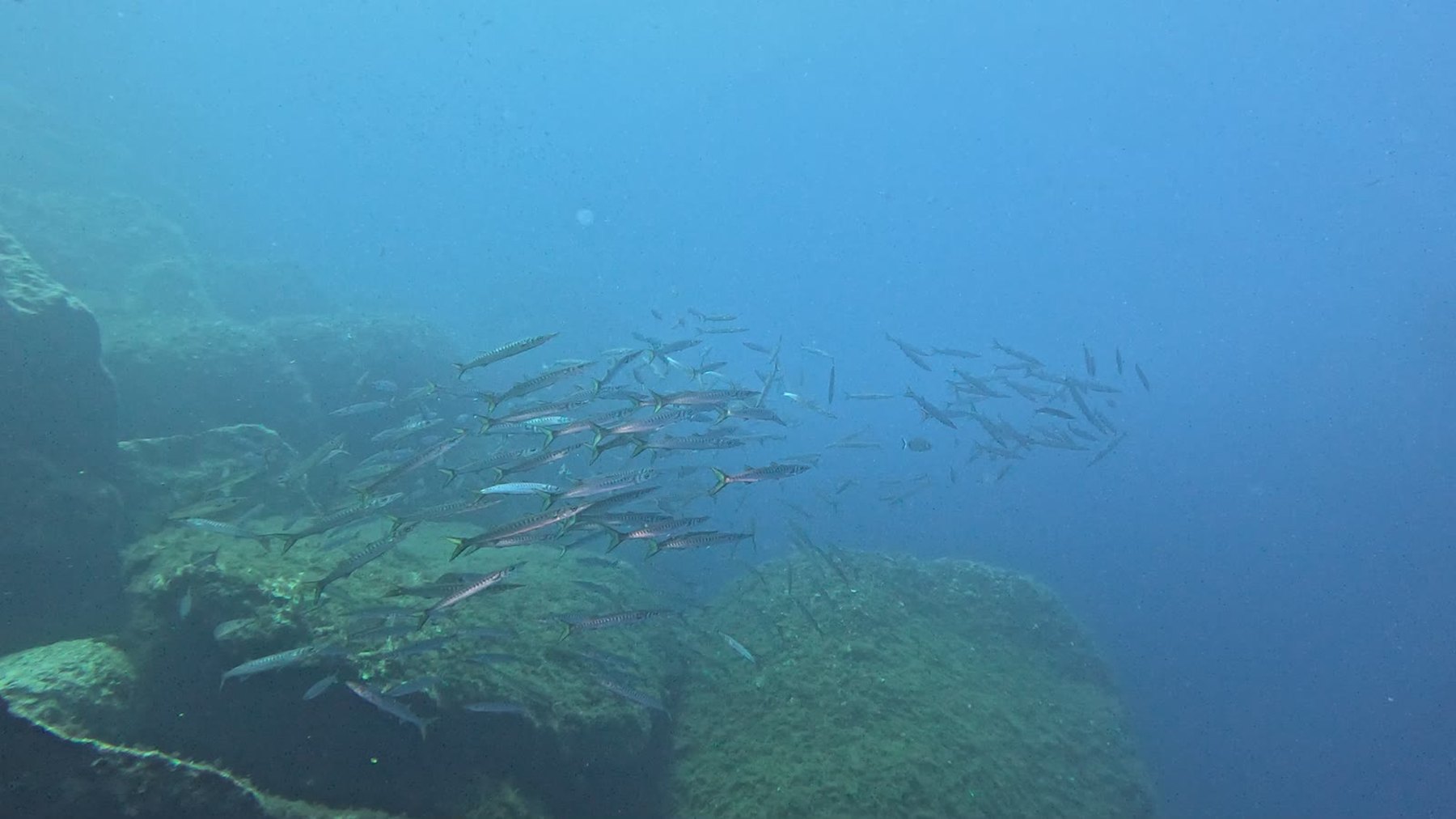
Rays were the highlight. We found several resting on the sand and gravel patches between the boulders, completely undisturbed — which makes sense, given how rarely anything with a torch and fins passes through. Below the surface it's boulders and walls dropping into clear, deep water, with a genuinely untouched character you don't get at sites that see divers every week.
It's worth taking seriously, though. Filfla is exposed, sitting alone in open water, and currents can run strong here. This isn't a site to wing — proper buoyancy, a gas plan that accounts for the current, and a guide who knows how to read the conditions on the day all matter. And as with any protected reserve, nothing gets touched or taken. We're guests on someone else's three days a year.
The short version
Site: Filfla Island, off Malta's south coast
Access: Boat, permit only — roughly three days a year
Depth: 15–50m
Min cert: Advanced Open Water for the main dive · Trimix Diver to follow the wall deeper
Seen: Rays on the sand between the boulders, exceptional visibility
Who's diving it: Dive Systems — every permit, every year
Who to dive it with
This is the part that actually matters if you want to go. Filfla isn't a site you can turn up and arrange — you need to be with whoever holds the permit, on the day it's granted, with no real notice in advance. Dive Systems has been the one securing all three permits every year, which in practice means they're the only route onto this dive.
Spaces are limited to what the boat can carry, and the trips sell out fast once a date is confirmed. If you want a shot at it, watch the Dive Systems Facebook page — that's where the announcement goes out, and there's no waiting list once it's full.
Come find me too. Tell me your certification level now, and I'll make sure you're on the list the moment next year's dates are confirmed — whether that's the main dive on open circuit or CCR, or going deeper along the wall if you're trimix qualified.
Want to be on the list for Filfla next time the permit comes through? Tell me your certification level and I'll let you know the moment dates are confirmed.
Get In Touch