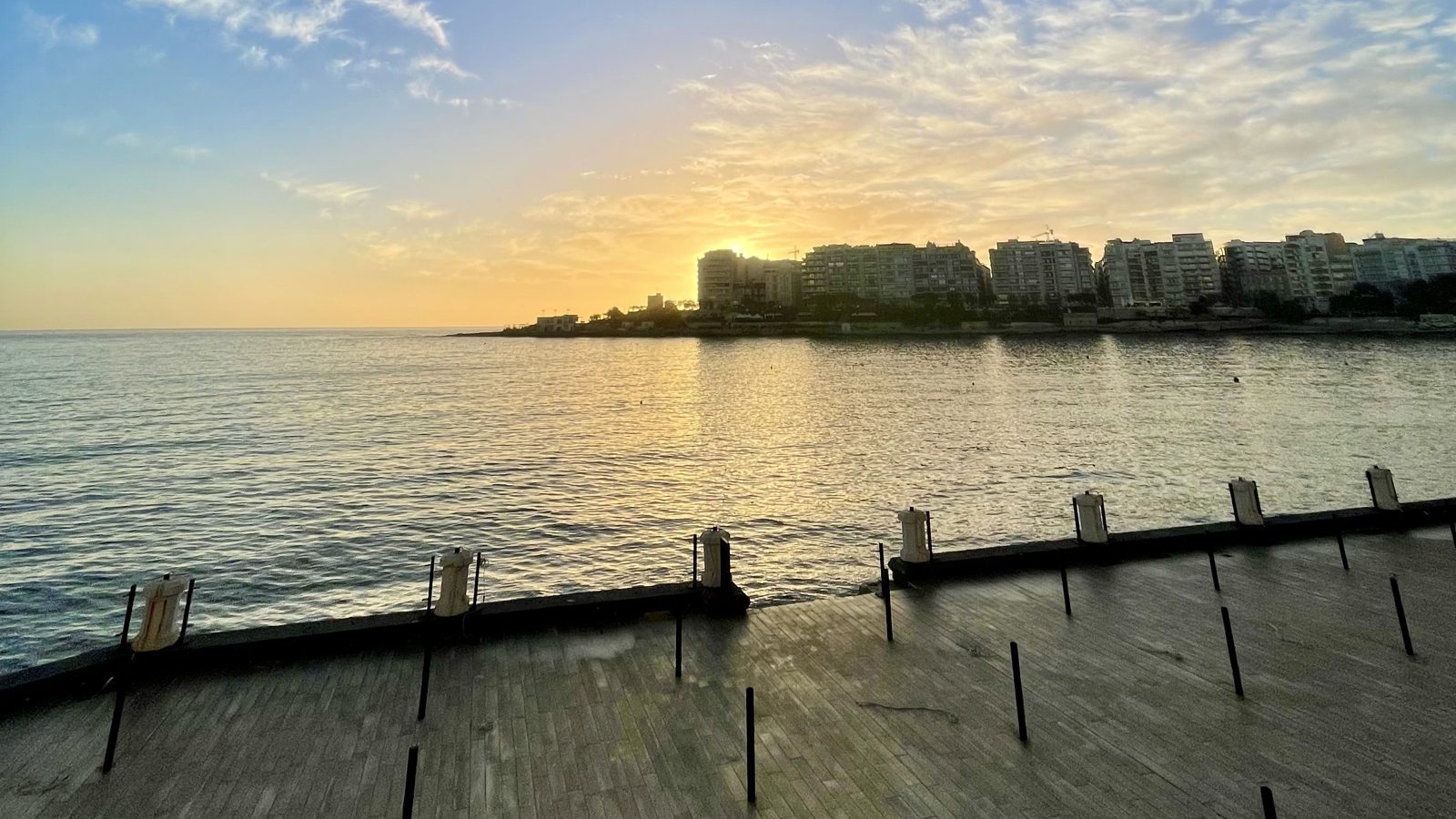
Everyone asks me when the best time to dive Malta is, and nobody believes the answer: I genuinely love the winter. Cold-water diving is suddenly fashionable — everyone's off to Iceland and Norway in a drysuit — and meanwhile Malta in January is sitting right here: clear, quiet, and all yours.
Don't get me wrong — summer Malta is glorious, and I've written plenty about the season warming up. But if you can travel outside the school holidays, winter diving here is one of the best-kept secrets in European diving. Here's the honest case for it.
The visibility is at its best
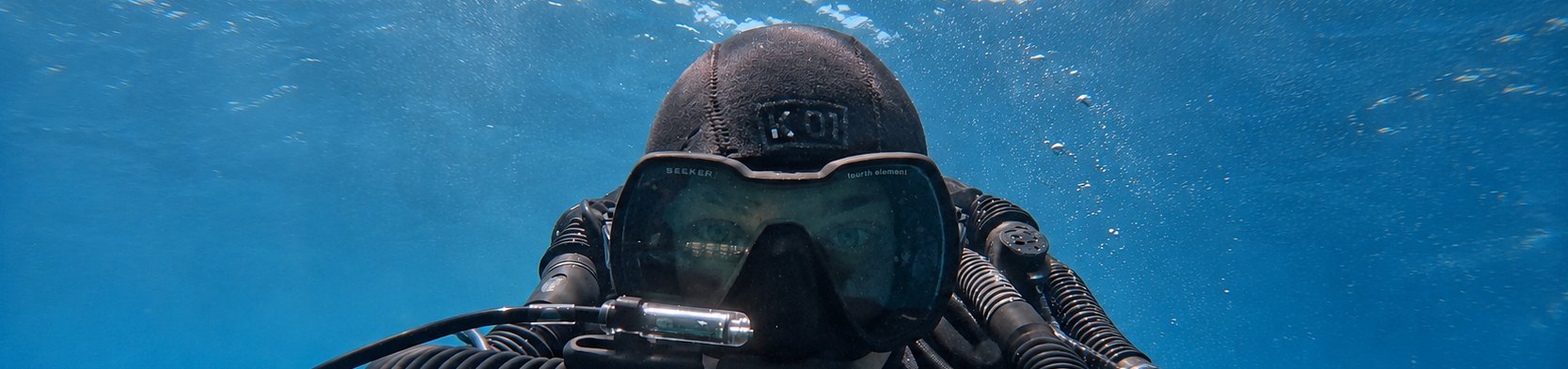
Winter water in Malta runs about 15–16°C — and before you wince, consider what you get in exchange. With the summer plankton gone, the water goes glass-clear. Some of the best visibility I see all year is between December and March: 30, sometimes 40 metres of it. You drop onto the Um El Faroud and see the whole ship laid out below you before you've passed 10 metres. That simply doesn't happen in August.
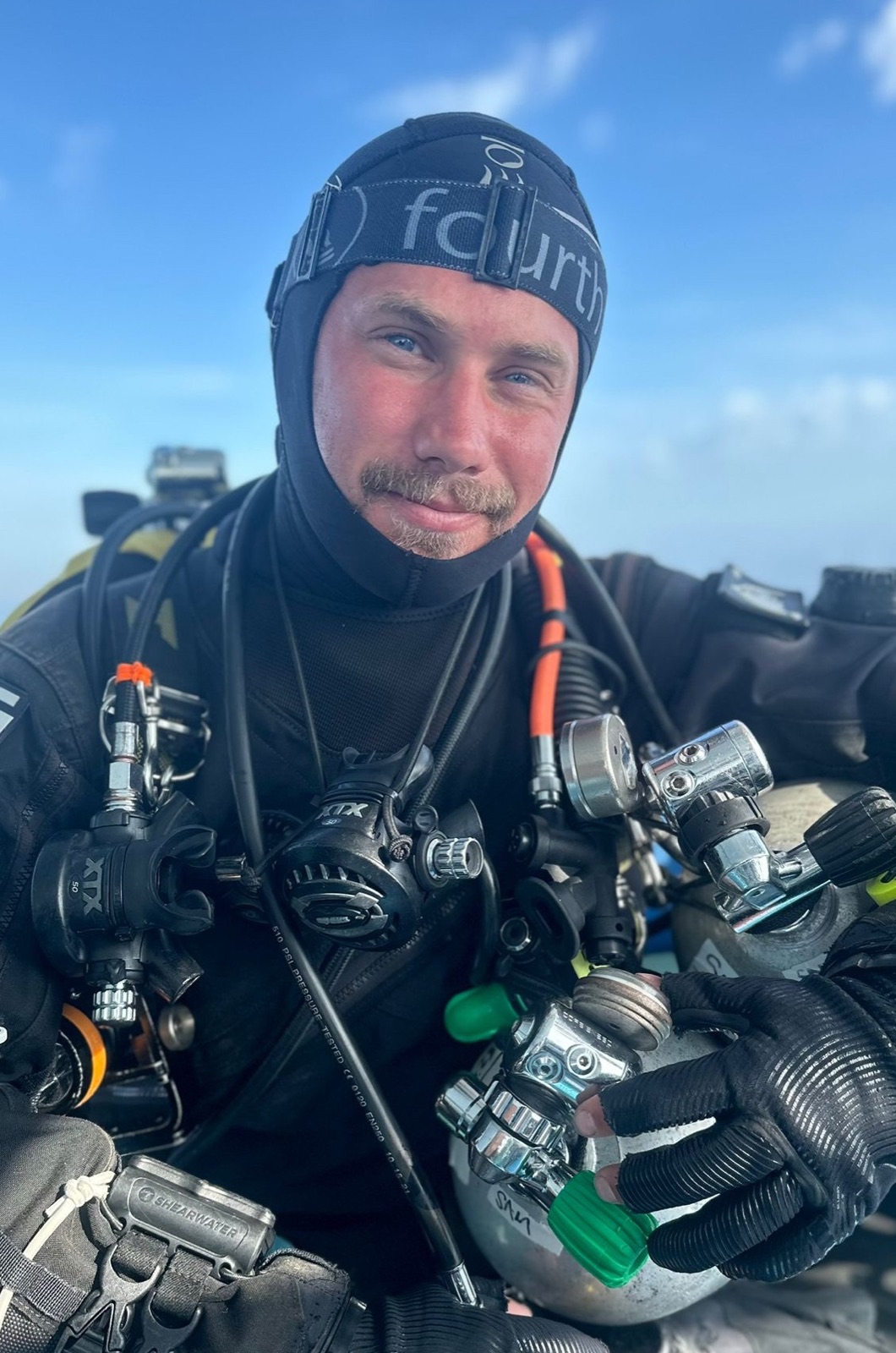
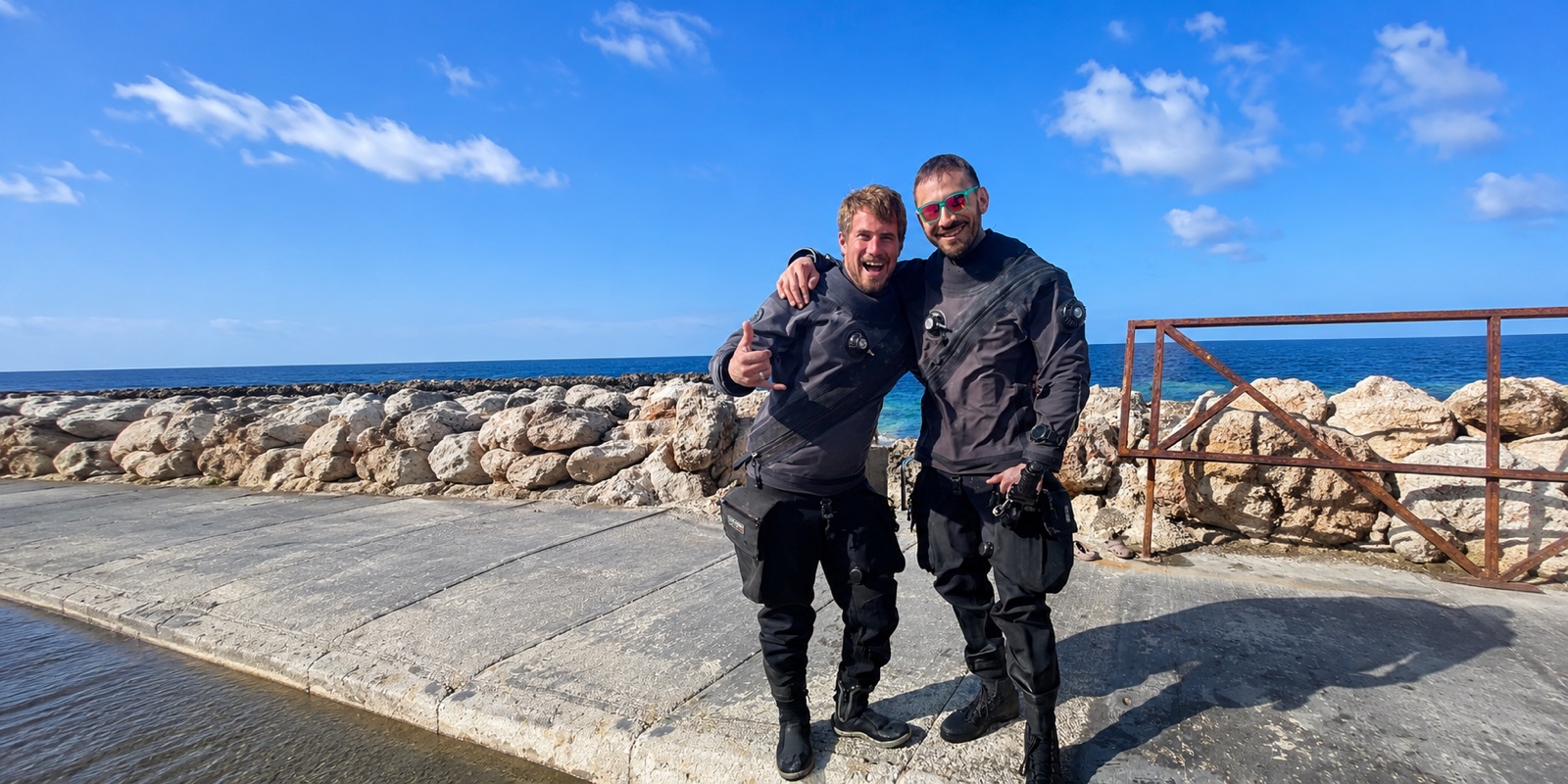
And 15°C is not Silfra. It's not even the UK in May. I've been diving a drysuit for eighteen years — most of them in waters considerably less forgiving than this — and Maltese winter diving is about as civilised as drysuit diving gets. A decent 7mm will do it if you're hardy, but in water that half of northern Europe would call summer conditions, the drysuit turns winter here into genuinely comfortable diving. If cold-water diving is the trend, Malta in winter is the comfortable way in.
You get the wrecks to yourself
This is the bit I really love. The summer boat traffic is gone. The car parks at Ċirkewwa are empty. You kit up in peace, dive at your own pace, and more often than not you'll have an entire wreck — a whole 110-metre tanker — completely to yourself. There's something about hanging in mid-water over a silent wreck on a clear winter morning with not another bubble in sight that summer just can't offer.
The deep wrecks don't care about the season anyway. Down at 50 or 60 metres the temperature barely changes all year — the technical divers among us are in drysuits in August too. Which is why technical diving in Malta runs twelve months a year, and winter is prime training season: more of my attention, more flexible scheduling, and conditions that build genuinely capable divers.
Malta winter diving — quick facts
Water: 15–16°C December–March · Vis: often the year’s best, 30m+
Suit: drysuit ideal (great time to learn one), good 7mm semi-dry workable
Weather: windier — but Malta almost always has a sheltered coast. We plan around it, not against it.
Bonus: flights and hotels at their cheapest, island at its calmest.
Yes, the weather needs managing
I'll be straight with you: winter brings wind, and wind decides where we dive. But Malta is a small island with coasts facing every direction — when the north-west blows out Ċirkewwa, the south coast is flat. When a southerly rolls in, Gozo's north shore is glass. In three years of diving Malta year-round, the days where nowhere on the islands was diveable have been genuinely rare. You don't fight Maltese winter weather; you just dive the other side of the island.
And the topside bit is better too
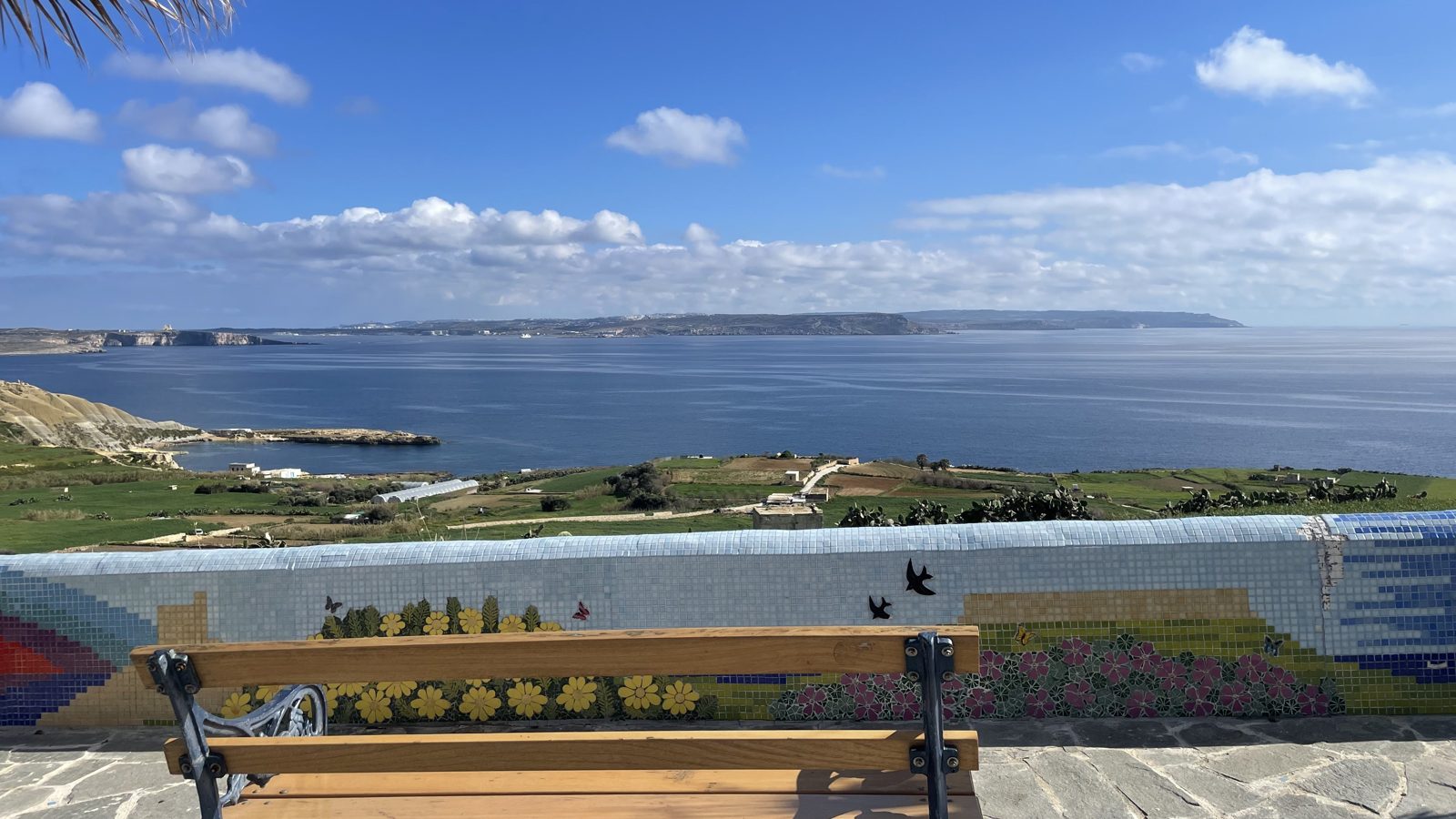
Valletta and Mdina without the crowds. Restaurant tables without bookings. Proper hearty Maltese winter food — the rabbit stew tastes better when it's blowing a hoolie outside, trust me. If you're bringing a non-diving partner, winter Malta is arguably a better holiday for them than the August furnace. My topside guide covers the lot.
So there it is. If your diving calendar has a gap between November and March, don't write it off as the off-season. Bring a drysuit — or come learn to use one — and find out why some of us think this is the best diving Malta offers all year.
Fancy a winter week of clear-water wrecks — training or just diving? Tell me your dates and I'll build it around the weather windows.
Plan a Winter Dive Trip