Inland diving at home is getting more expensive every year, and real depth is getting harder to come by. Malta is about three hours from most UK airports, sits at 26°C into October, and has wrecks from 6 metres down to past 100. For a lot of UK divers the sums have quietly stopped adding up the way they used to.
The sums have changed
I won't cost your season for you — you know your day tickets, fills and fuel better than I do. But it's worth adding up, because a year of inland weekends is never one big number. It's a lot of small ones.
Then price up a few days out here: flights, an apartment, the diving. People are often surprised which column wins. It won't always be Malta — but it's closer than most divers assume, and what you get for it isn't really comparable.
Depth you don't have to fight for
At an inland site the bottom is the bottom. You can't really build a progression around it, because there's nowhere further to go. Diving the sea at home solves the depth, but it adds boats, weather windows and slack water — and any one of those can take the day off you.
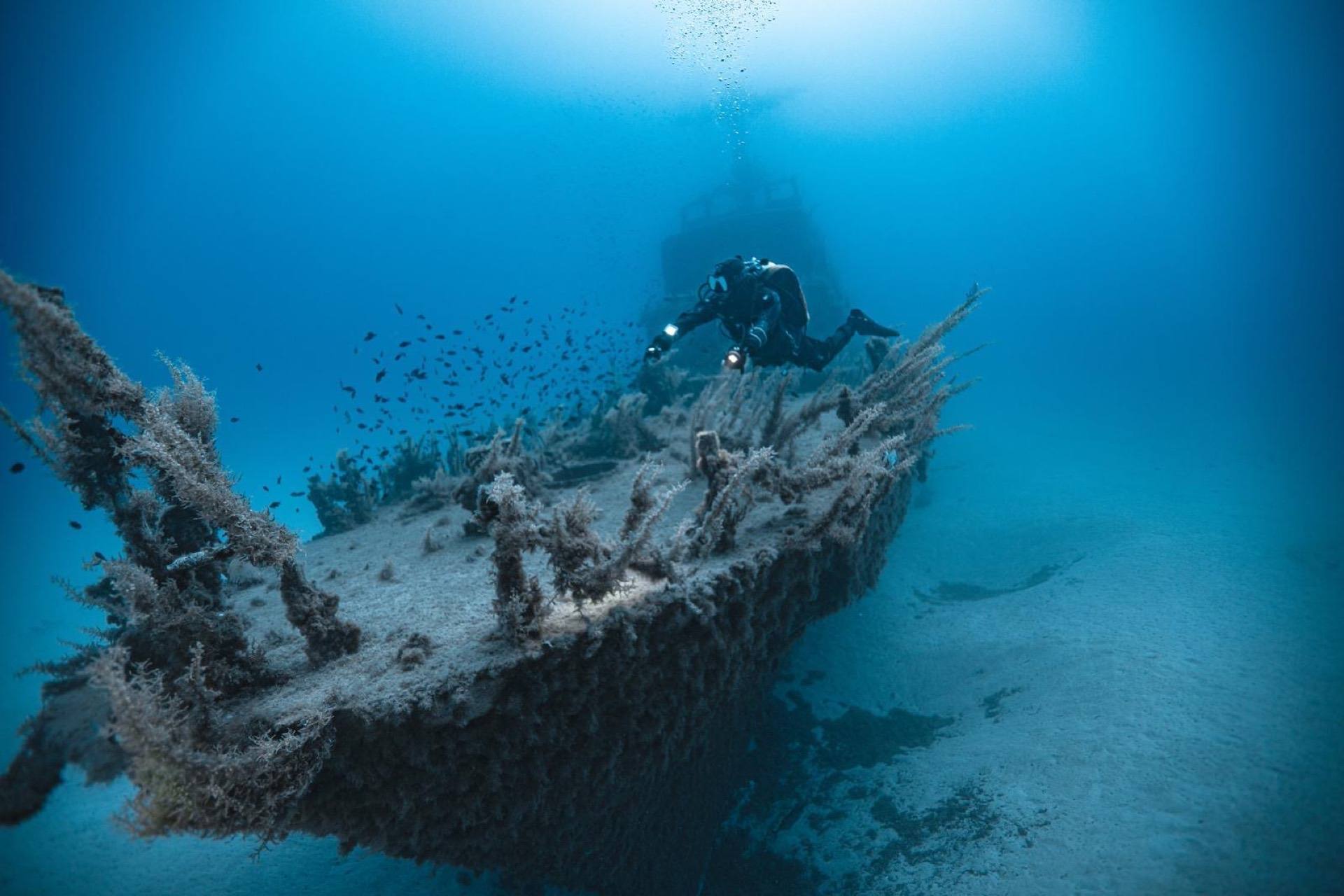
Here the range is the whole point. There are wrecks shallow enough for a single cylinder and a long, lazy dive, wrecks that need trimix and a proper plan, and a great deal in between — most of it either a short boat ride out or a walk from the car:
- X127 Coralita — 5–22m
- HMS Maori — 10–15m
- Um El Faroud — to 36m
- The P29 and Rozi, Ċirkewwa — 34–38m
- HMS Stubborn — 57m
- Le Polynesien — 50–65m
- SS Luciston — 95–105m
- HMS Olympus — 115–130m
Whatever you're certified to, there's something at your level and something to grow into — which is a rarer combination than it sounds.
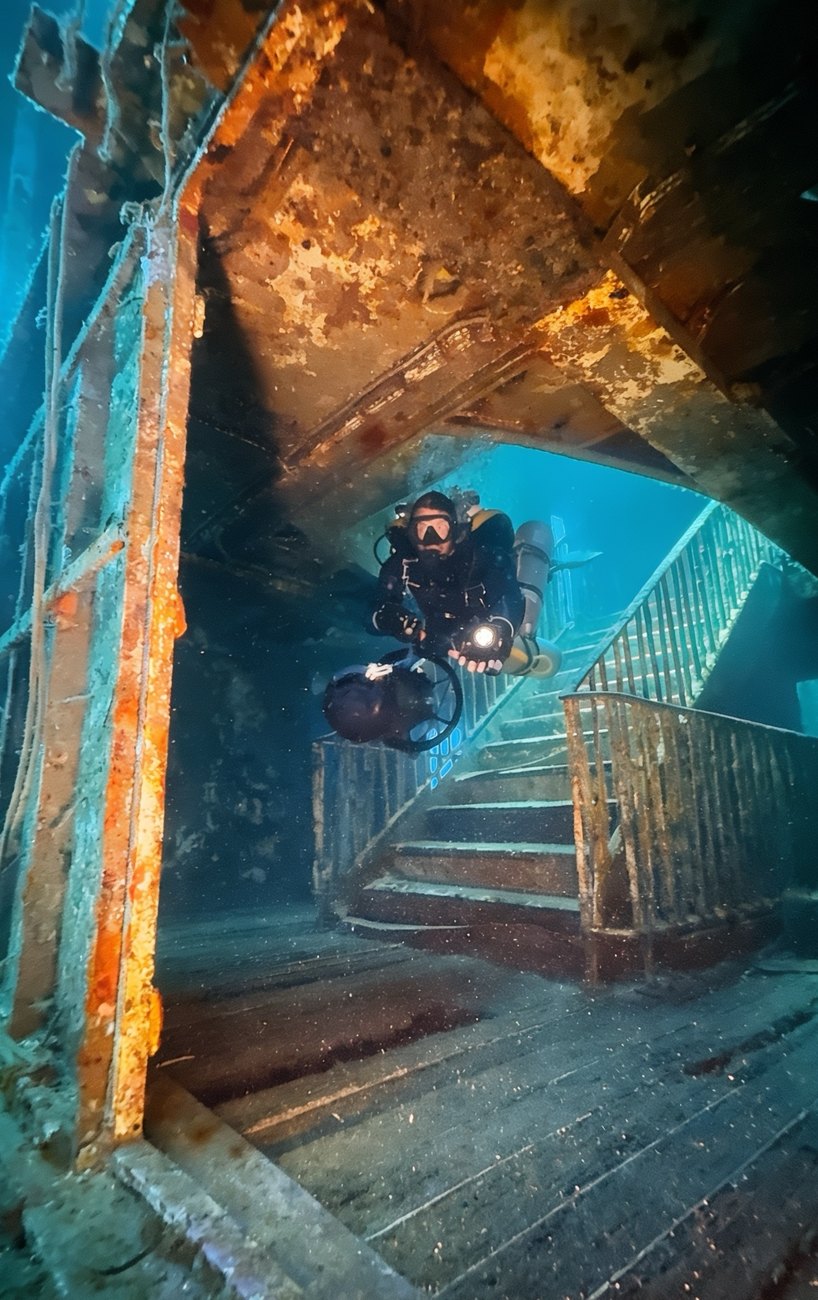
That means you can plan a week that steps down properly, instead of waiting most of a season for the conditions to line up. I've written more about the wrecks themselves, and about which ones your certification actually opens up.
Warm — and it stays warm
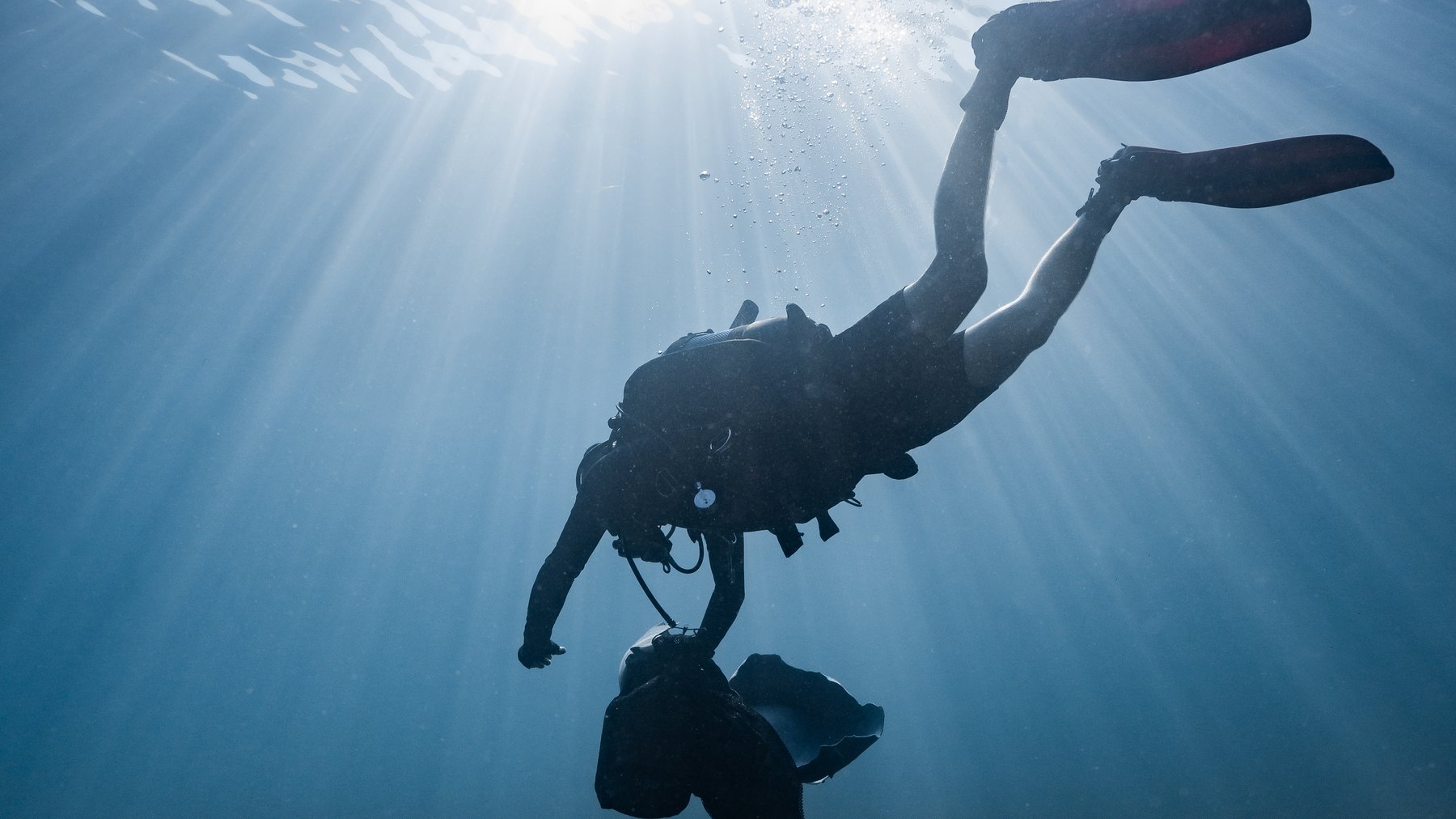
The sea sits around 23°C in spring and holds 26°C well into October. There's no thermocline waiting to bite at 20m, and no shivering your way through a deco stop wondering how long is left.
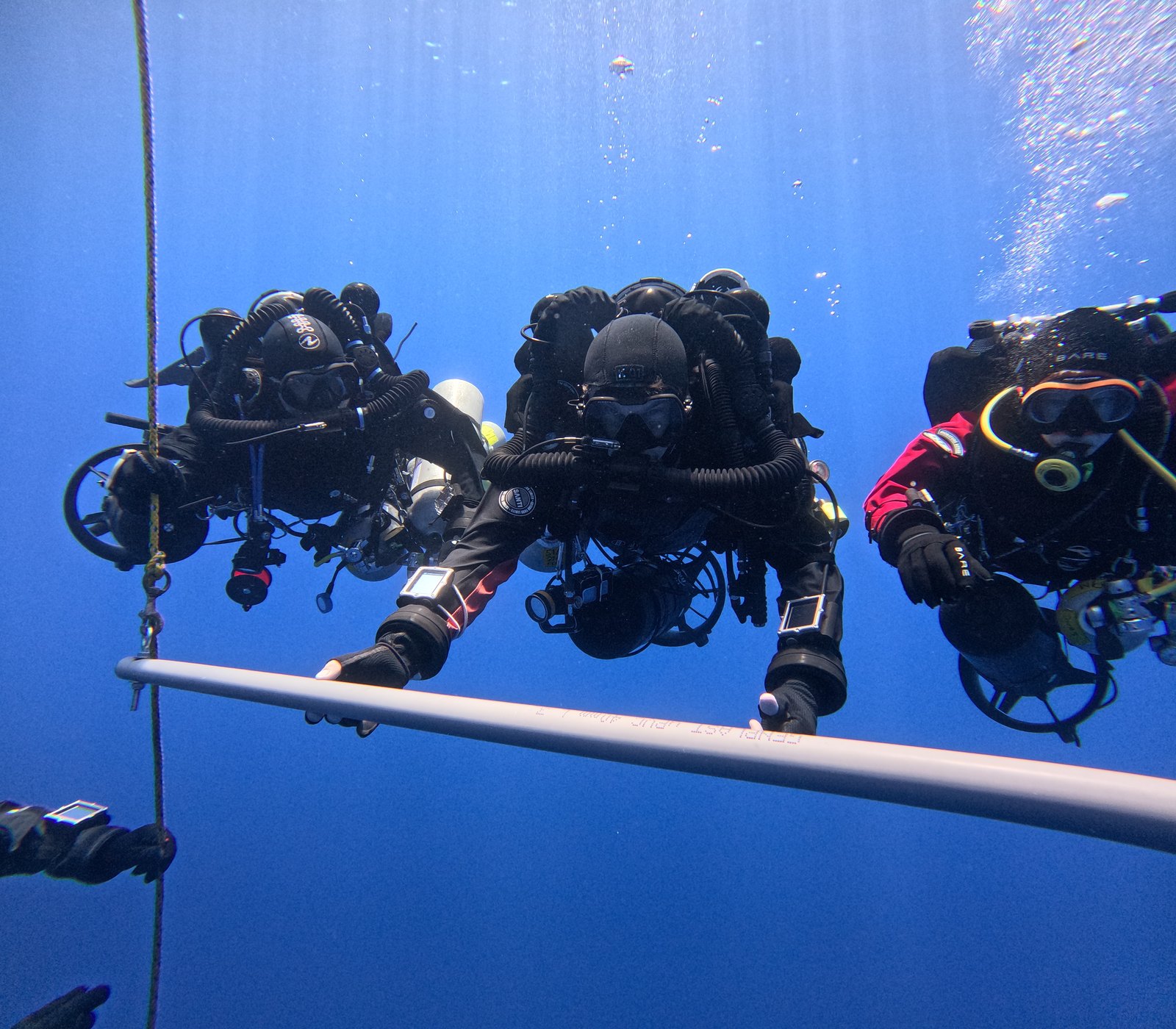
That matters more for training than people expect. If you aren't spending half your attention on being cold, you learn faster — it's that simple. Skills that feel clumsy in single figures in a quarry tend to click out here, because you've actually got the capacity to think about what you're doing.
Bring the kit — and the banter
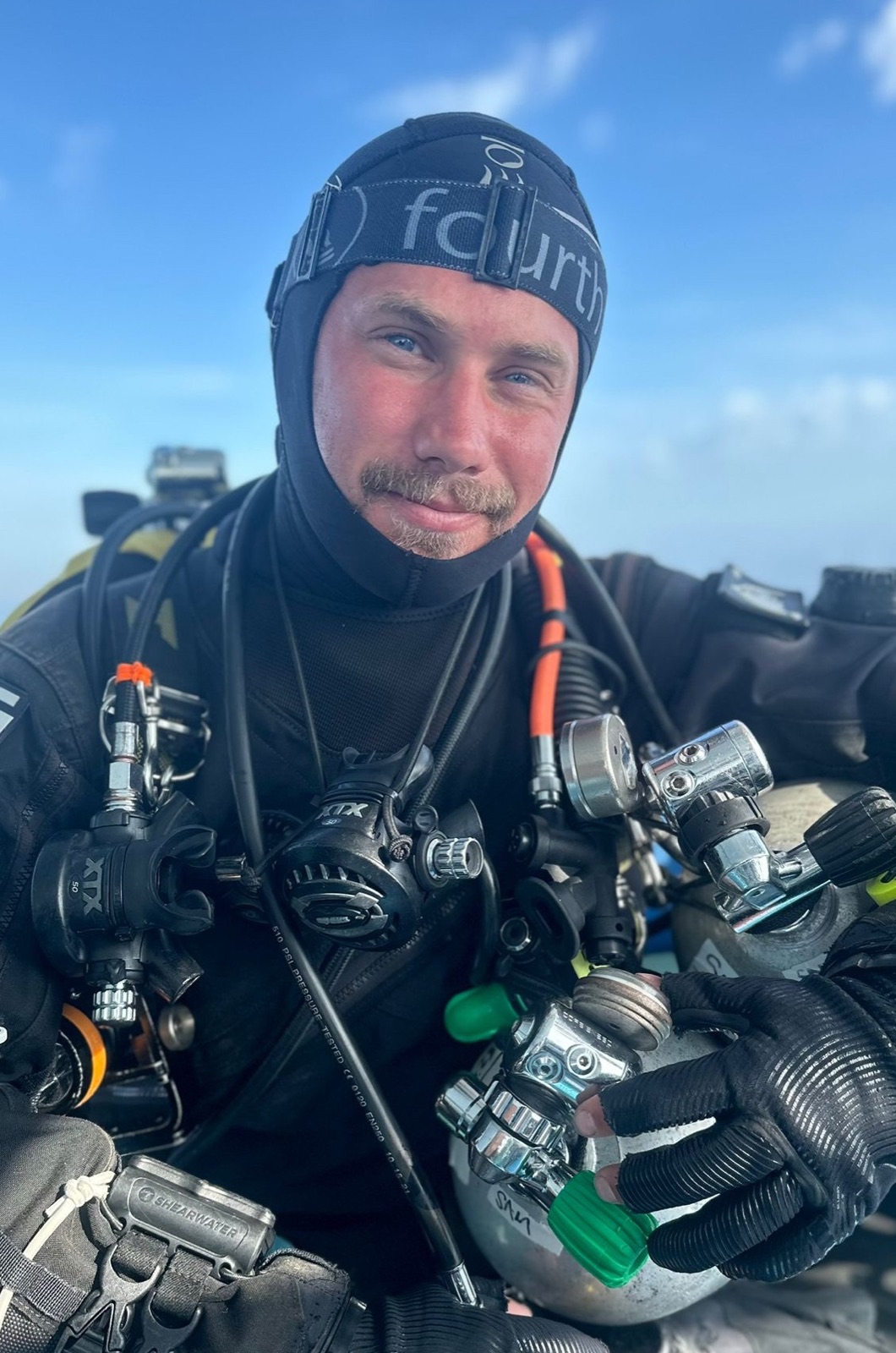
Bring your own gear if you can. You'll dive better in the setup you already know, and everything needed to run it is at Dive Systems in Sliema — air, nitrox, oxygen and helium, and fills you can trust.
The boat deserves its own mention. It was built for technical diving rather than adapted into it: licensed for the historic wrecks, proper deck space for twinsets and stages, somewhere sensible to clip off, and a diver lift on the back just like at home. Nobody's climbing a ladder in a twinset in 30°C heat.
Tell me what you're diving when you book and we'll have the gas and logistics sorted before you land.
And bring the other thing.
Genuinely, one of my favourite parts of teaching UK divers is that they turn up with the sense of humour I don't get nearly enough of out here. I've been away long enough that I need topping up. So pack the twinset, pack the wing, and pack the banter — the diving is better for it, and frankly so am I.
The short version
Flight: around three hours from most UK airports
Sea: ~23°C in spring, 26°C into October
Depth: shore dives from the car park, wrecks from 6m to past 100m
Gas: air, nitrox, oxygen & helium at Dive Systems, Sliema
Best months: September & October
When to come
If you get to choose, come in September or October. The sea is at its warmest, the summer crowds have gone home, and the conditions are the ones technical divers quietly wait all year for — I've written about that season on its own. Summer works perfectly well too. It's just busier, and hotter on the surface.
If you're coming to train
Most UK divers who come out here want one of three things: a proper first step into technical diving, a deco or extended range course, or simply the depth to use what they've already got.
That's usually Intro to Tech, Decompression Procedures, Extended Range or Trimix. And if you're already qualified and just want the wrecks, there's no course needed at all — that's guided diving, and it's a good way to spend a week.
Thinking about a trip over from the UK? Tell me what you're certified on and what you want to dive, and I'll tell you honestly what's realistic.
Get In Touch