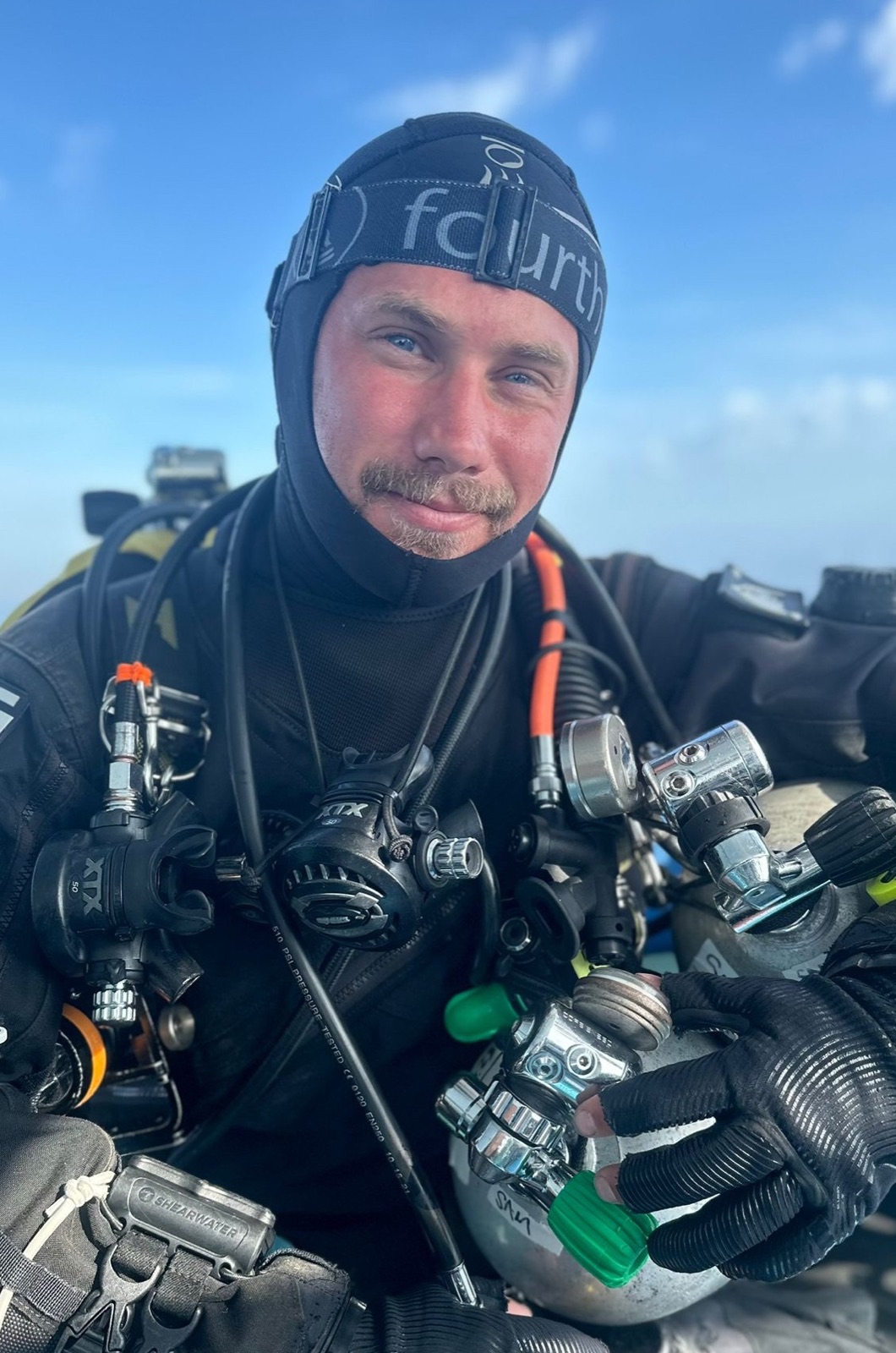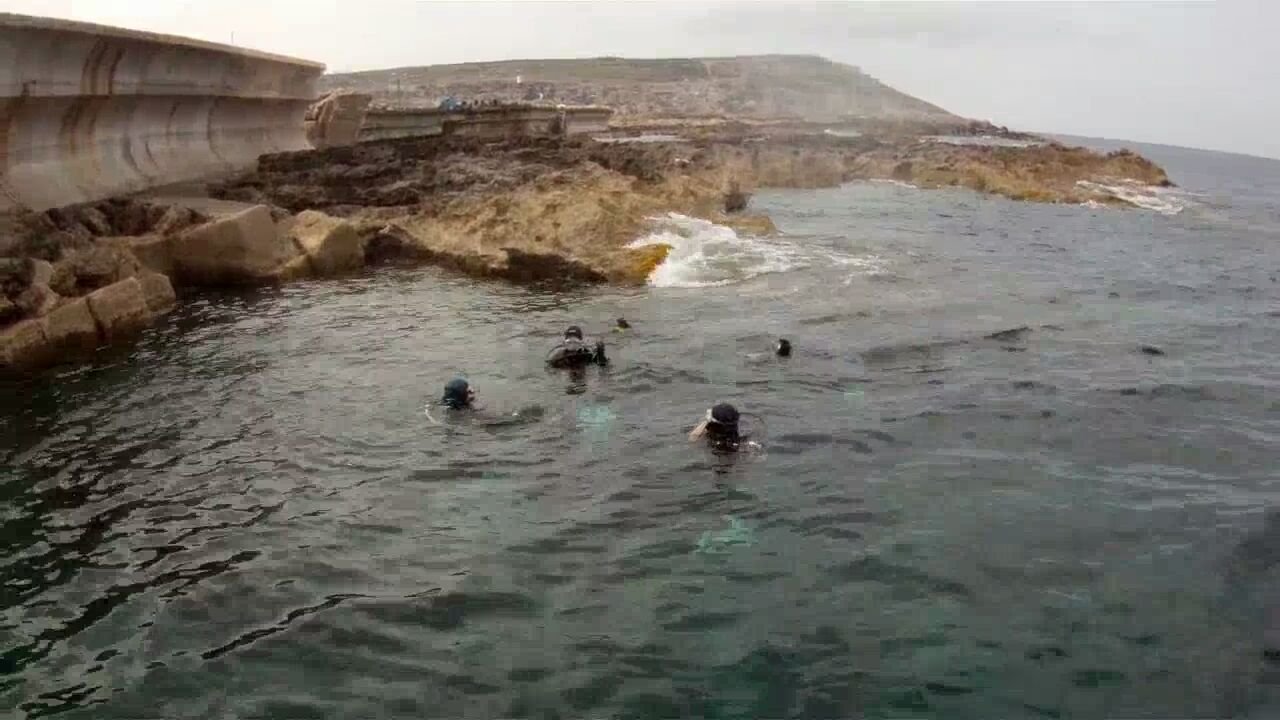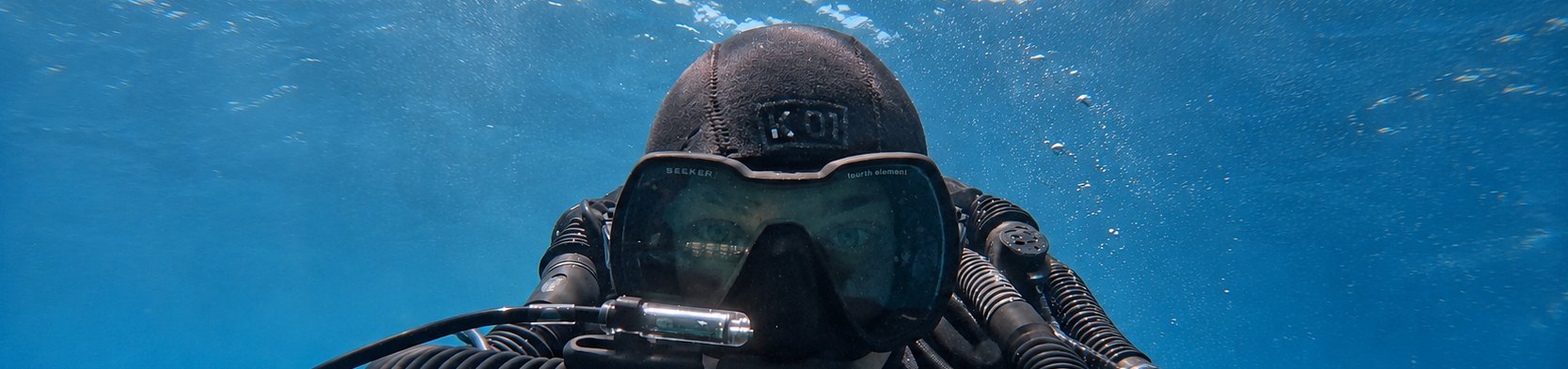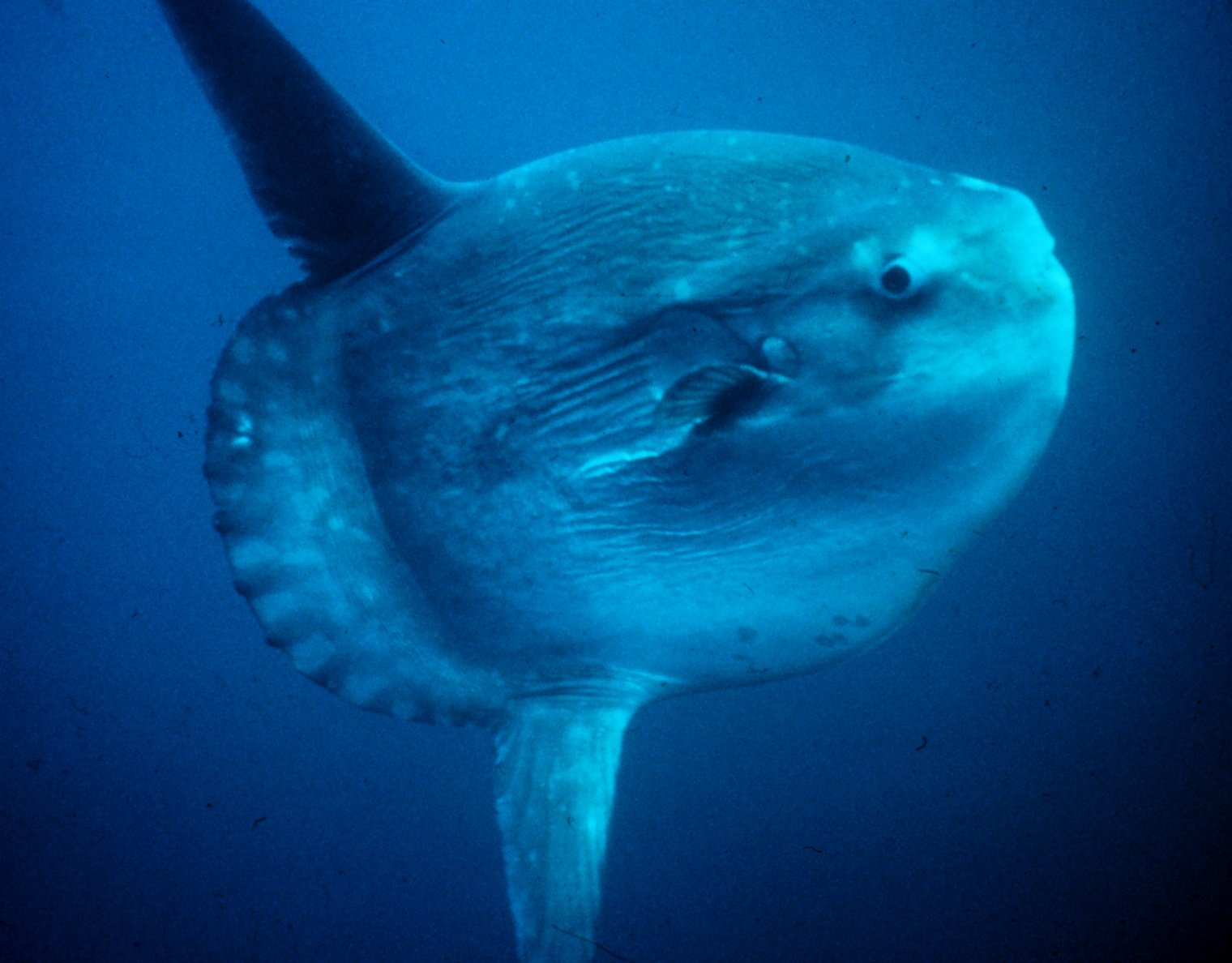
Some dive briefings write themselves. This week, Adam — one of the Dive Systems team — was at the Rozi, Malta's most-dived wreck, when a mola mola cruised past. An ocean sunfish. At Ċirkewwa. On a dive that hundreds of divers do every single week without incident, the strangest fish in the sea just… turned up.
Let me put this in perspective. Divers pay serious money and fly to Bali or Portugal specifically hoping to see one of these things. And one of ours just ambled past a shore dive fifteen minutes from the ferry terminal, presumably to have a look at the tugboat.
Allow me to introduce the mola mola
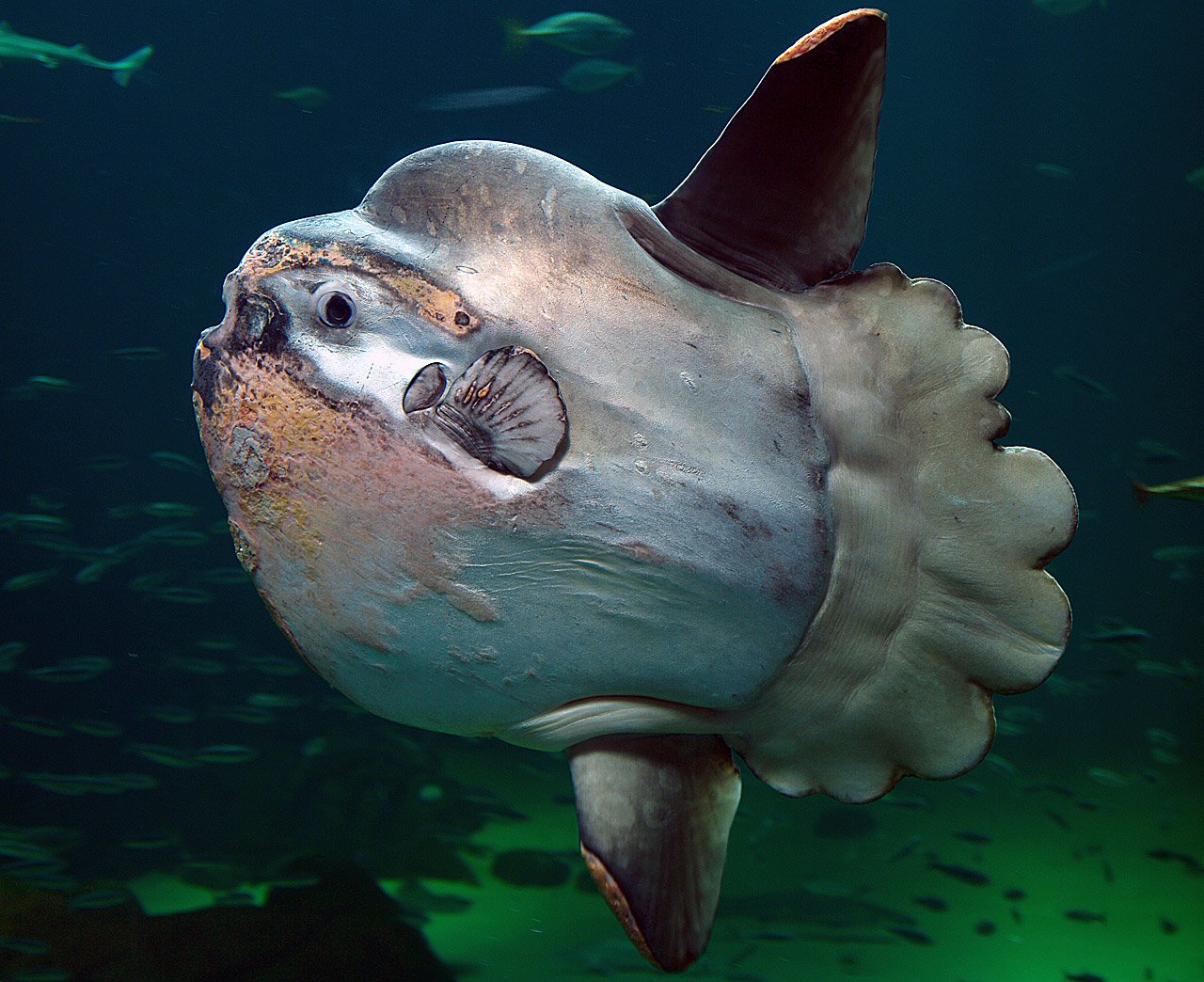
If you've never met one: imagine a fish designed by committee, where the committee gave up halfway through. The mola mola is essentially a giant swimming head — the Germans literally call it Schwimmender Kopf — with two enormous fins, no proper tail, and a permanently startled expression. It is also the heaviest bony fish on Earth: adults can top a tonne.
It achieves this bulk on a diet of mostly jellyfish — which is to say, food with roughly the nutritional value of wet air. It compensates by eating staggering quantities of it, doing deep foraging dives, then flopping onto its side at the surface to sunbathe — partly to warm back up, and partly as an open invitation for seabirds and small fish to pick at its parasites. Of which it carries dozens of species. The mola mola is less a fish and more a mobile ecosystem with a confused face.
One more for the pub quiz: female sunfish can carry up to 300 million eggs — more than any other vertebrate on the planet. Nature clearly decided that if you're going to swim like a dinner plate, you'd better have a numbers strategy.
Why this is bigger than one fish
Here's the quietly serious bit. Ċirkewwa is now a managed marine park with Marine Protected Area status — boat traffic restricted, conservation guided by an actual scientific committee, real investment in the site. I wrote about the refurbishment recently. And this is what protection looks like in practice: more life on the wrecks, bigger visitors passing through, and the occasional celebrity guest with a face like a startled moon.
Sunfish aren't unheard of in Maltese waters — they're out there in the blue all year — but a sighting on the Rozi is rare enough to make everyone's week. Protect a site properly and the sea starts showing off. That's the whole argument for marine parks in one fish.
The real lesson: you never know
Adam has dived the Rozi more times than he could count. So have I. It would be easy to think of it as a known quantity — 33 metres of tugboat, resident scorpionfish, moray in the usual crack, thanks for coming. And then the sea sends a one-tonne swimming head past your shoulder, just to remind you that no dive is ever routine.
That's the actual magic of this sport. The 500th dive on a familiar wreck is the one where something extraordinary swims out of the blue. You just have to be in the water when it happens.
Mola mola — pub quiz ammunition
Heaviest bony fish on Earth — adults can exceed 1,000kg
Diet: mostly jellyfish · Party trick: sideways sunbathing at the surface
Name: "mola" is Latin for millstone · the Germans call it the "swimming head"
Eggs: up to 300 million — the most fecund vertebrate known
Fancy your chances at the Rozi? Come and dive Ċirkewwa's marine park with me — wrecks, arches and whatever the blue decides to send past.
Book a Dive