Delta now flies direct from New York to Malta — and for American divers, that changes everything. One of the world's great dive destinations just became a single, easy hop across the Atlantic.
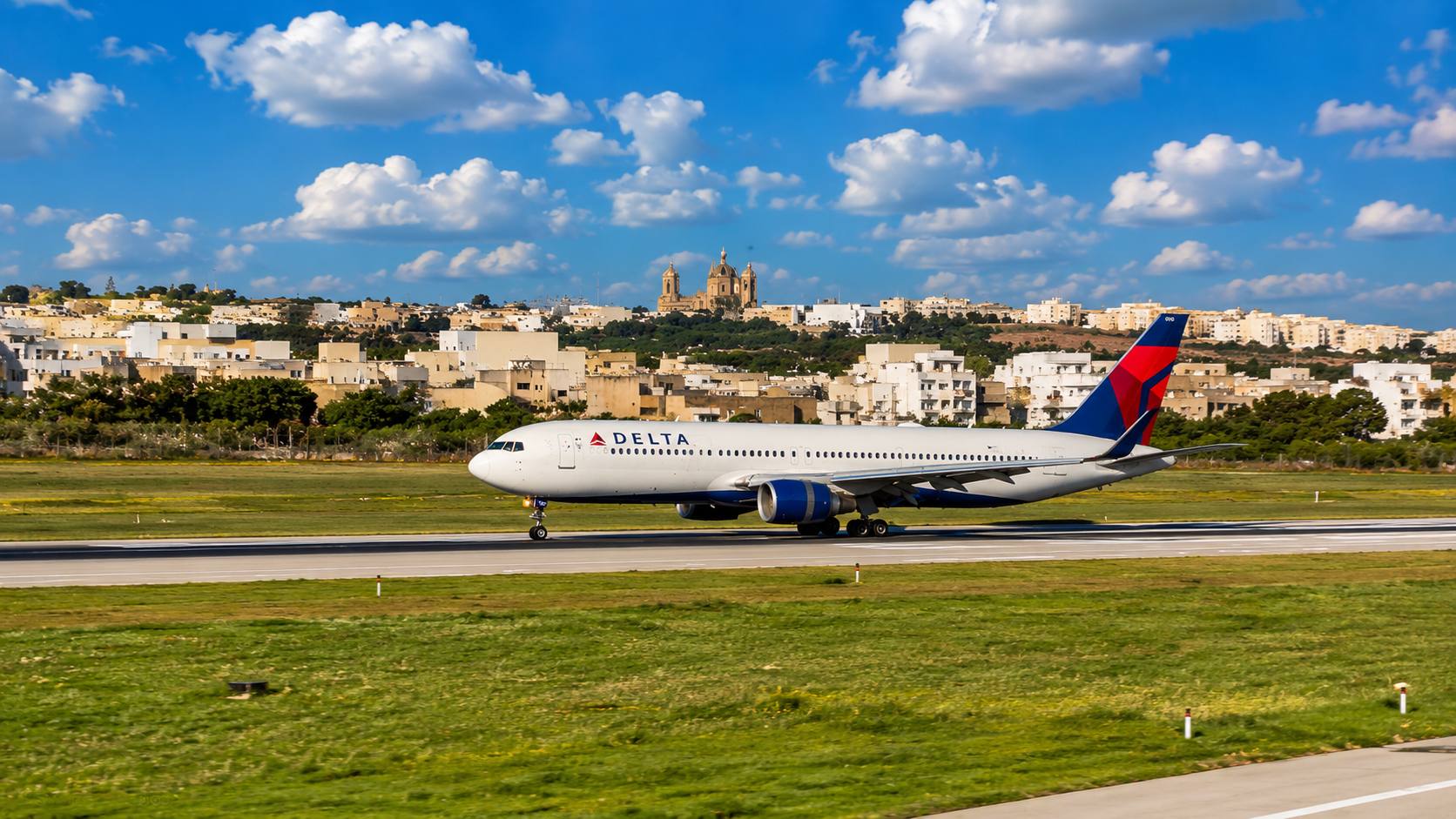
For years, getting to Malta from the States meant a connection somewhere in Europe — a layover in London, Frankfurt or Rome, a missed bag, a long day turned into a longer one. That's over. With Delta's direct service from New York to Malta — roughly a 9 to 10 hour flight — you can leave the US in the evening and be pulling on a wetsuit in the Mediterranean before you've shaken off the jet lag.
If you're a diver in the US who's never seriously looked at Malta, here's why this little island in the middle of the Mediterranean should be right at the top of your list.
Why Malta Works So Well for American Divers
Plenty of dive destinations are beautiful. Malta is beautiful and easy — and "easy" matters a lot when you're travelling thousands of miles with a bag full of dive gear.
- English is an official language. Malta was a British territory for over 150 years; everyone speaks English, all the signs are in English, and every dive briefing you'll get from us is in English. No translation app required.
- It's genuinely safe and easy to get around. Malta is one of the safest countries in Europe, compact, and tourist-friendly. Taxis, ride-share and short transfers — most dive sites are 20-40 minutes from the main hotel areas.
- The currency is the euro, and card payment is accepted just about everywhere.
- No exhausting layovers. Direct from New York means you arrive fresh and dive sooner.
TDI — You're Already Home
Here's something a lot of American divers don't realize until they look: TDI is a US-founded agency. If you've trained in the States, there's a very strong chance your technical certification already carries the TDI logo — and it's exactly what we teach here. Trained with a different agency? No problem at all — we work with divers from all the major training agencies, and your existing certifications carry straight across.
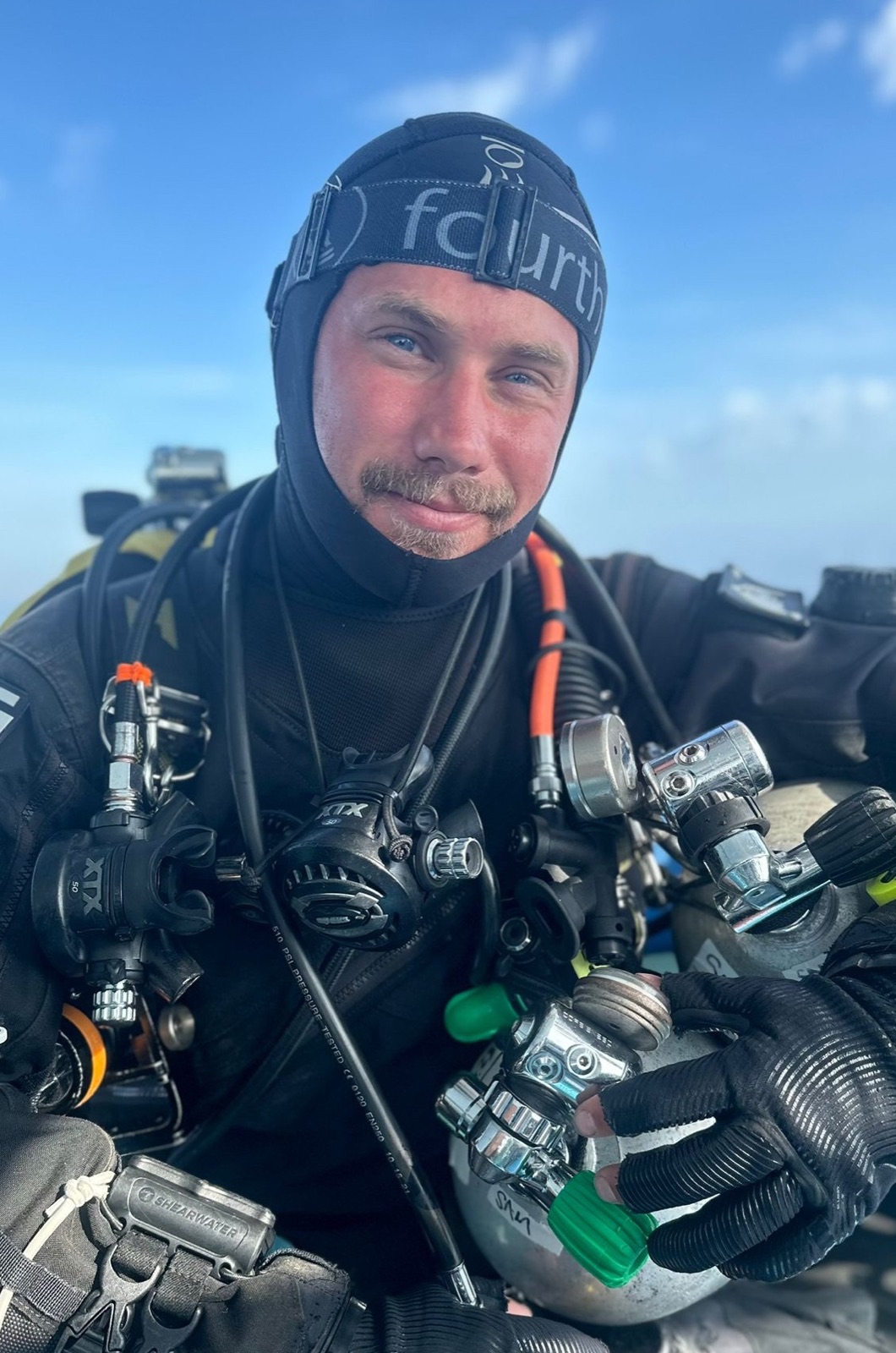
That means no agency headaches, no "will my cert be recognized?" uncertainty. Your Advanced Nitrox, Decompression Procedures or Trimix training in Malta slots straight into the system you already know — and divers certified with any major agency are equally welcome. Because I'm a TDI Instructor Trainer, you're learning from someone operating right at the top of that structure.
Water in Fahrenheit, Visibility in Feet
Let's talk numbers the way you're used to seeing them. Malta's water is warm and clear for most of the year:
Malta Water, US Units
Summer (Jun–Oct): ~75–82°F at the surface, dropping to the mid-60s°F at depth.
Winter (Nov–May): ~59–63°F — very divable in a drysuit or a good 7mm.
Visibility: routinely 100+ feet. On a good day you'll see the whole wreck before you reach it.
Best months for warm-water trips: May through October. Technical diving runs year-round.
Compared to a cold quarry back home or a long boat ride to murky water, diving Malta feels like cheating — bath-warm in summer, clear as gin, and the sites are minutes apart.
Diving for Every Level
Whether you're a newly certified open-water diver or a seasoned trimix diver chasing deep wrecks, Malta delivers. The island, together with Gozo and Comino, packs an extraordinary range of diving into a very small area.
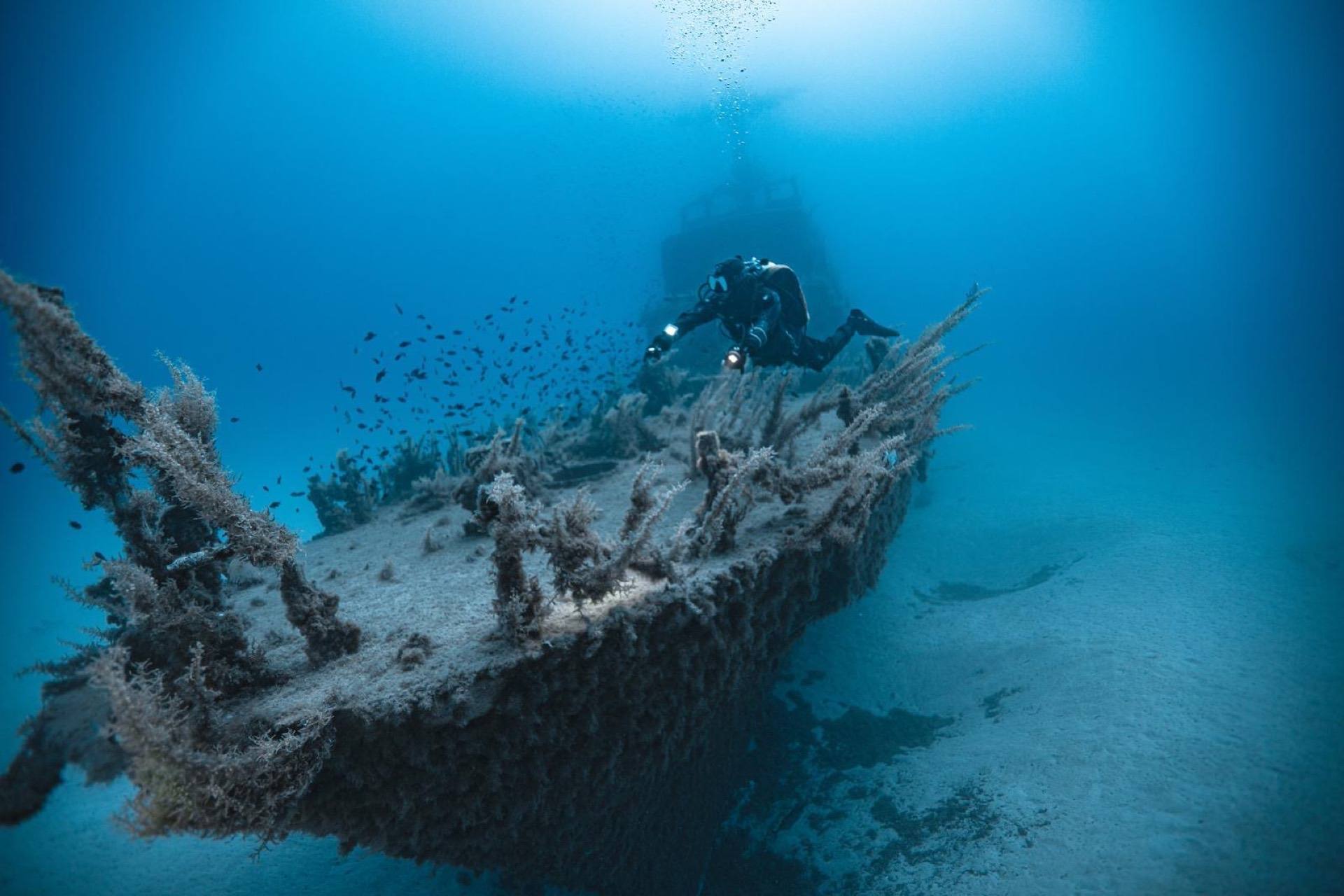
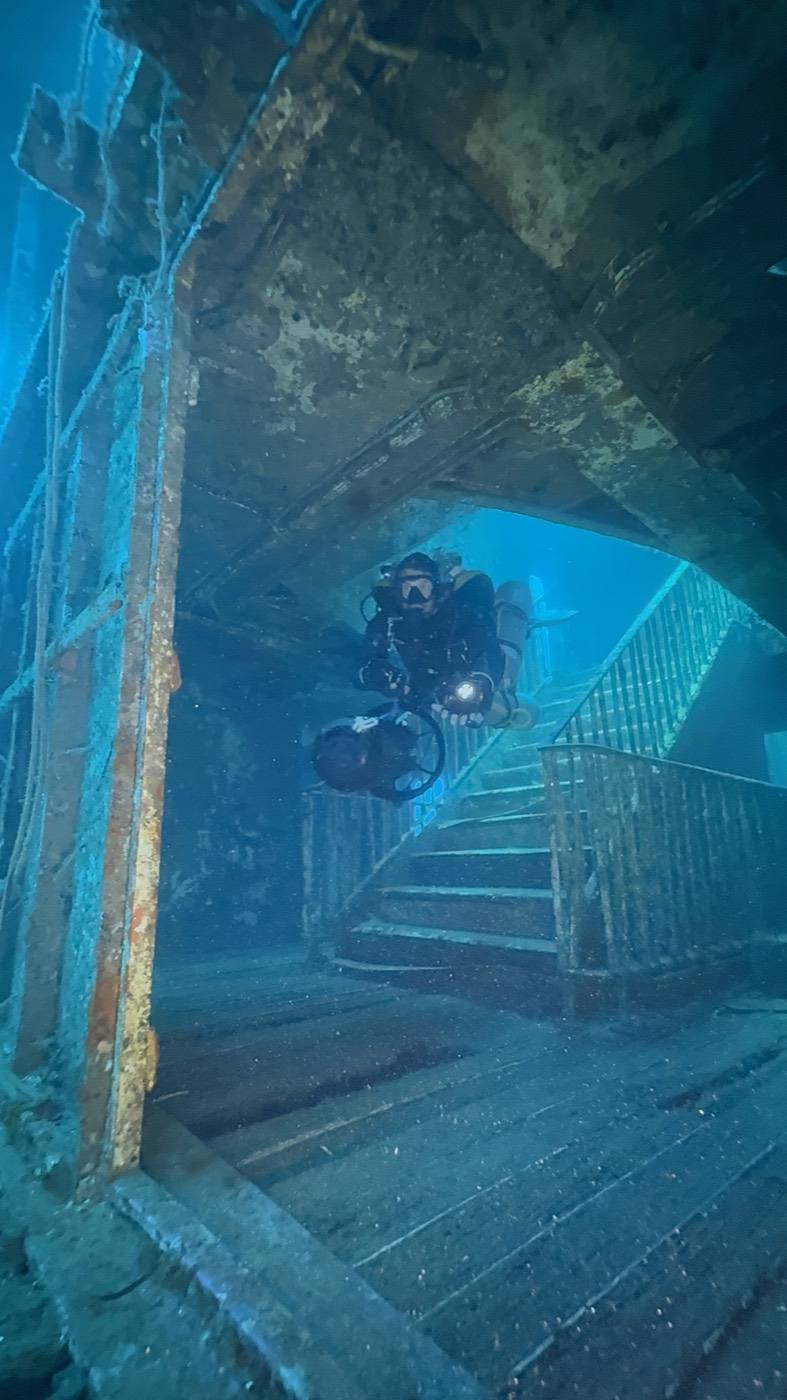
- Recreational divers: shallow, accessible wrecks like the Um El Faroud, P29 and Rozi, plus caves, reefs and the famous Blue Hole on Gozo.
- Stepping into technical: the most efficient entry into tech anywhere — run Advanced Nitrox and Decompression Procedures back-to-back while you're here.
- Technical and CCR divers: legendary deep wrecks — HMS Southwold, Le Polynesien, HMS Olympus and more. (See our guide to the best technical wrecks in Malta.)
And because everything is delivered through Dive Systems in Sliema — with a full trimix and helium fill station and a boat licensed for Malta's historic wrecks — the logistics are handled. You just dive.
Make It a Real Trip: 7–10 Days
A direct flight makes a one- or two-week trip genuinely worthwhile. A typical American visitor can do a lot in that window:
- 7 days: knock out a full certification — Advanced Nitrox + Deco, or a Trimix course — with guided fun dives around it.
- 10 days: complete a course and tick off a bucket-list wreck or two, with time topside for Valletta, Gozo and the food.
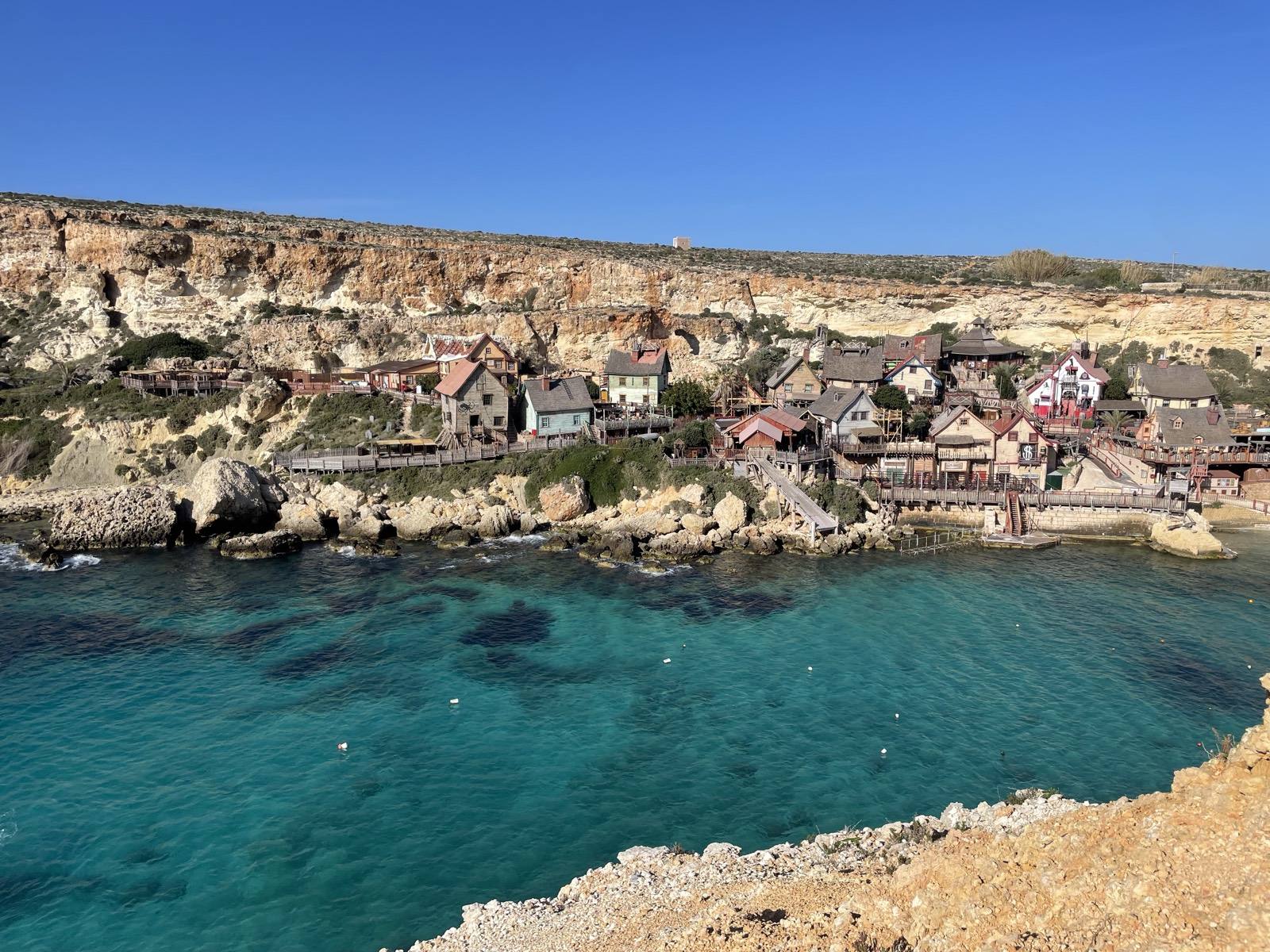
Malta isn't just diving, either. It's 7,000 years of history, walled cities, incredible food, and warm evenings — the kind of place a non-diving partner is more than happy to come along to.
Bringing a Group?
Dive clubs and groups are very welcome — and a direct flight makes organizing one far simpler. We can build a full package around your group: boat, gas, guided diving and training across multiple days. For flights, hotels and transfers, we work alongside Robert Arrigo & Sons, a long-established Maltese travel agency that handles group travel, so the whole trip can be arranged end to end.
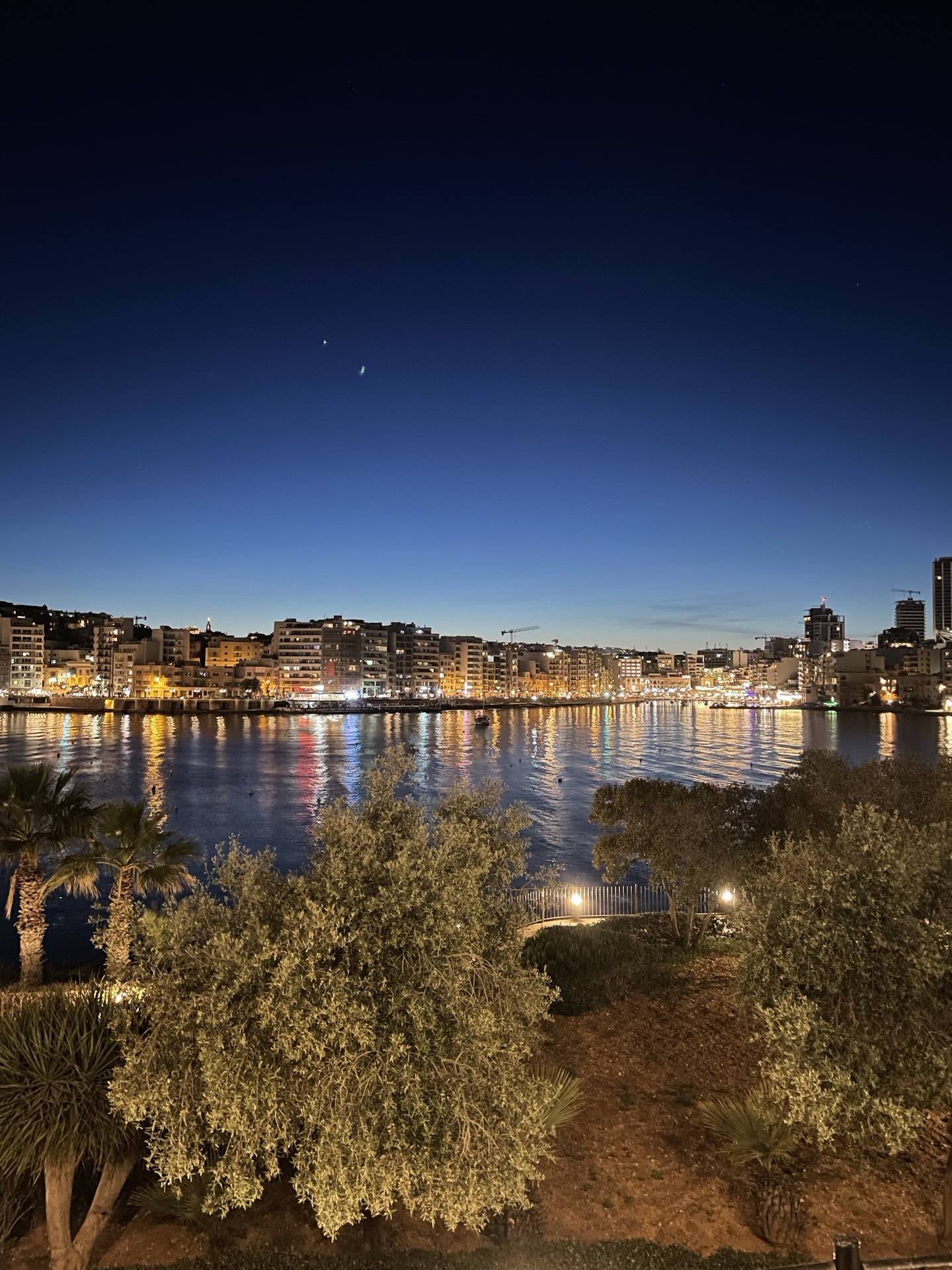
On the accommodation side, the main hotel areas of Sliema and St Julian's are right next to the diving — options like the Vegas Hotel in St Julian's, with the new Hard Rock Hotel on the way, plus everything from apartments to five-star resorts within a short transfer of the water.
The Bottom Line
Malta was always worth the trip. Now it's barely a trip at all — one direct flight from New York and you're diving warm, clear Mediterranean water on some of the best wrecks on the planet, taught in English, on the agencies you already dive. If you've been looking for your next dive destination, this is your sign.
Thinking about a Malta dive trip from the US — solo, with a buddy or a whole club? Get in touch and let's plan it around your dates and goals.
Plan Your Malta Dive Trip